
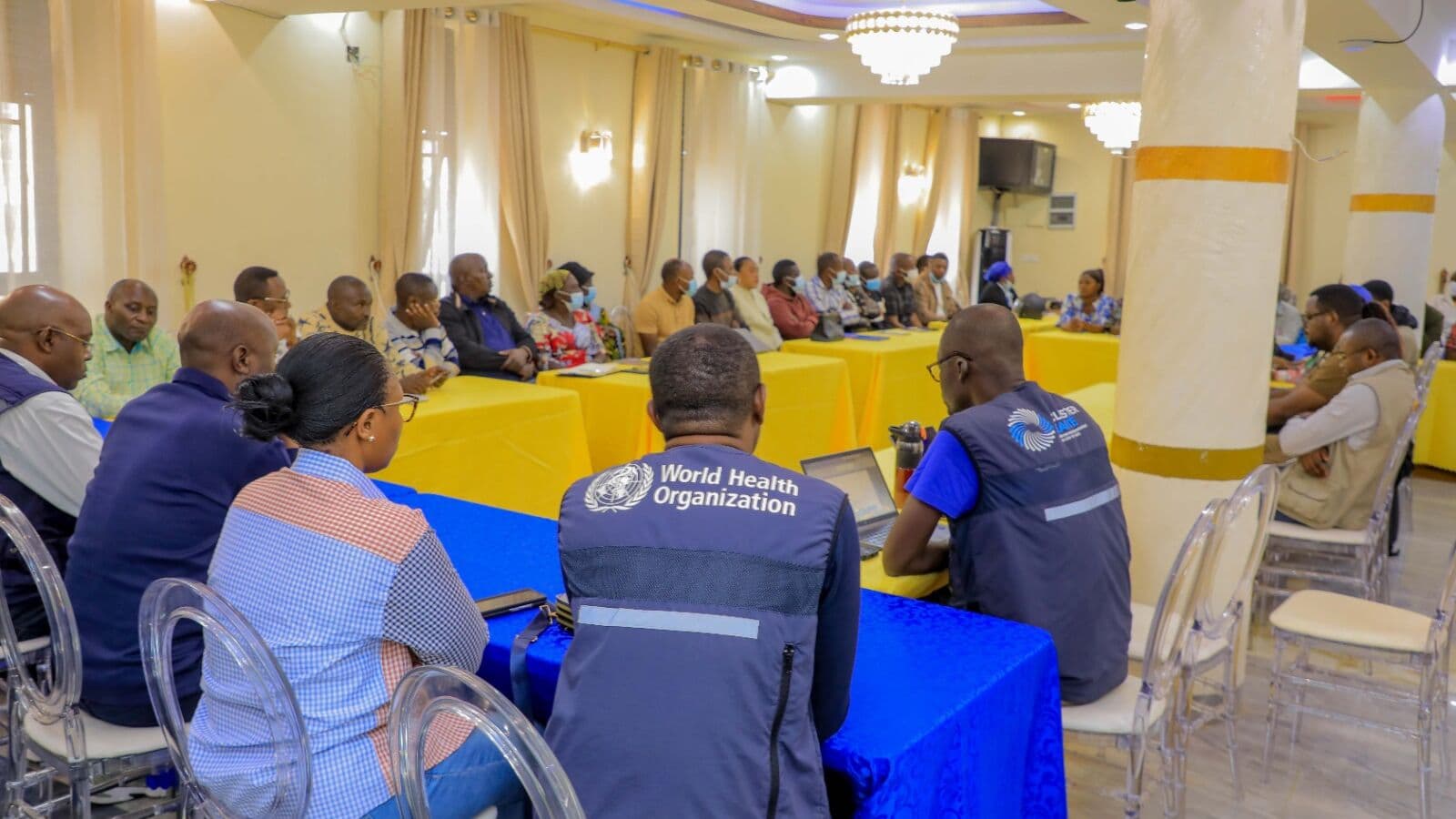
 Photo: Christbirego, CC0 1.0
2026 DRC Ebola Outbreak
Overview
On May 5, 2026, the World Health Organization was alerted to a cluster of severe illnesses and deaths in the Mongbwalu Health Zone of Ituri Province, northeastern Democratic Republic of the Congo. Laboratory analysis confirmed the Bundibugyo strain of Ebola virus, and on May 15 the DRC Ministry of Health officially declared an outbreak. On May 17, the WHO Director-General declared the outbreak a Public Health Emergency of International Concern, which remains in force. As of June 9, the DRC had reported 635 confirmed cases and 127 confirmed deaths.
Rather than being contained, the outbreak accelerated through the summer. As of October 18, 2026, the European Centre for Disease Prevention and Control reported 9,552 confirmed cases and 4,602 deaths across 66 health zones in eight provinces, making it the largest Ebola outbreak in DRC history and the second-largest on record worldwide after the 2014–2016 West Africa epidemic. Ituri accounts for 6,960 cases and 3,217 deaths and North Kivu for 2,084 cases and 1,176 deaths, with further cases in Haut-Uélé, Tshopo, Bas-Uélé, South Kivu, Sud-Ubangi, and Nord-Ubangi. WHO's October 8 update put the case fatality rate at 48%, noted that weekly case counts were still rising, and reported contact follow-up below target.
There is no licensed vaccine or treatment for the Bundibugyo strain, leaving responders reliant on contact tracing, isolation, and safe burials. Insecurity in parts of Ituri and North Kivu, community resistance to health measures, and porous borders have complicated containment. Uganda's linked outbreak (20 cases, 2 deaths) was declared over in late August, but Kenya confirmed its first imported case on October 5. WHO, CDC, MSF, and the Red Cross Movement are coordinating the international response alongside the DRC Ministry of Health.
Responding Organizations
7 organizations


At a Glance
- Status
- Active
- Severity
- Critical
- Type
- Pandemic
- Affected
- 9,500+
- Responders
- 7 orgs
- Started
- May 5, 2026
Share
Help spread awareness about this disaster and the organizations responding.