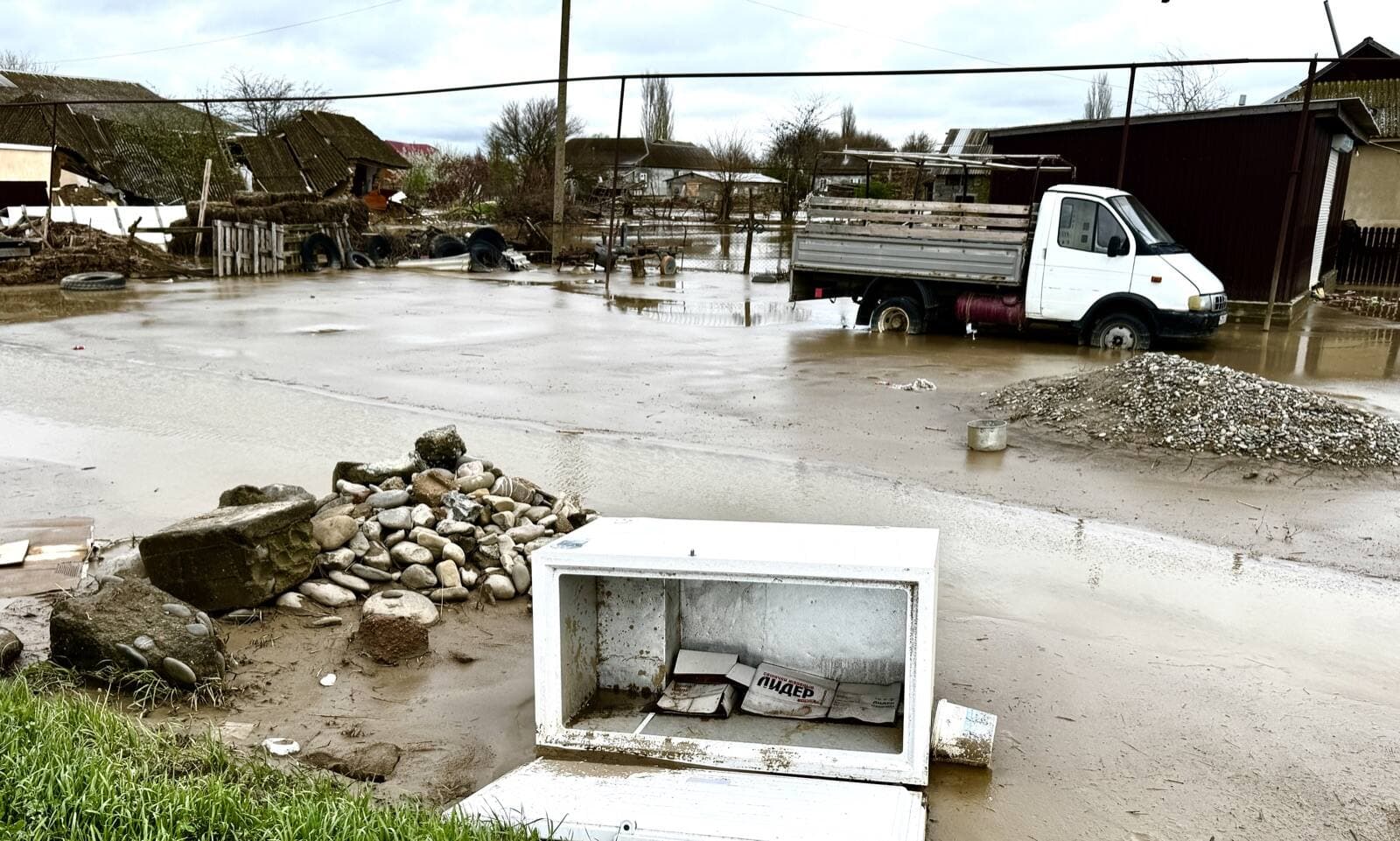
A devastating flood crisis has engulfed Colombia since late January, with unseasonable heavy rains triggering catastrophic flooding across 16 departments and prompting a national emergency declaration. The Colombia Floods have killed at least 44 people, displaced over 72,000 families, and caused billions of dollars in damage to homes, infrastructure, and agriculture.
How the Crisis Unfolded
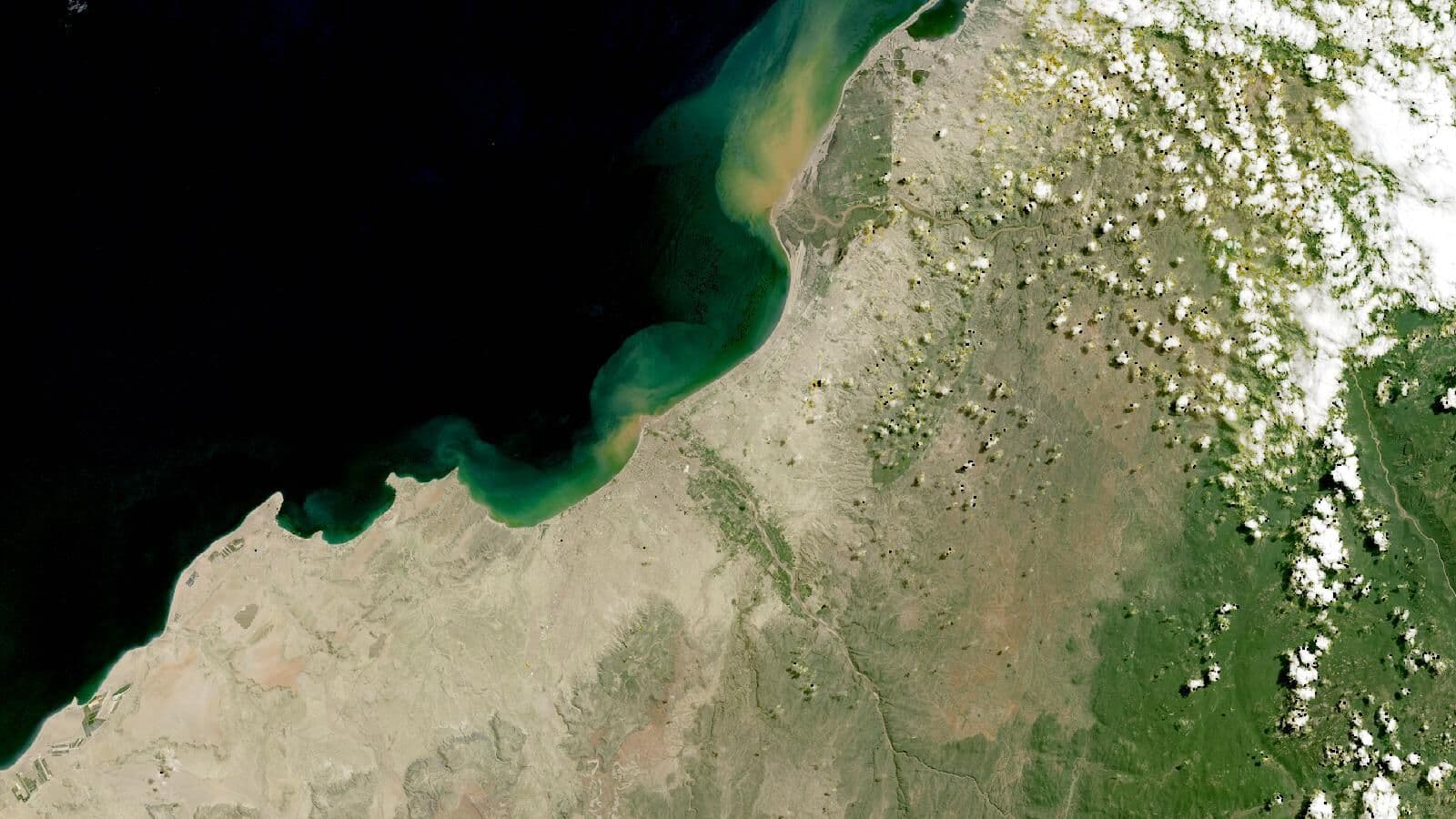
Beginning January 26, 2026, an atypical Caribbean cold front pushed moisture-laden air into northern Colombia. In some areas, a month's worth of rain fell in as little as 14 hours. The Sinú River and its tributaries overflowed their banks across Córdoba department, where more than 80 percent of the territory was submerged according to the United Nations. NASA satellite imagery captured the dramatic transformation of the landscape, with vast stretches of farmland and communities disappearing under dark floodwaters.
By mid-February, at least 44 people had been killed across 16 departments. In Mallama municipality in Nariño department, a rain-triggered landslide killed seven people. Valle del Cauca confirmed four deaths from sudden flooding, and Santander reported one fatality when the Lebrija River surged without warning.
Scale of Destruction
The numbers paint a grim picture of the disaster's toll:
- 72,000 families (approximately 300,000 people) affected across 104 municipalities
- 12,000 homes damaged and 4,000 destroyed
- 150,000+ hectares of farmland inundated
- 263,000 head of livestock at risk
- 24 of Córdoba's 30 municipalities under emergency status, 12 in critical condition
President Gustavo Petro declared a national emergency on February 12, authorizing $2.2 billion in emergency spending through special tax decrees to fund relief efforts and infrastructure repairs.
Humanitarian Response
Multiple organizations have mobilized to assist affected communities across northern Colombia.
The Colombian Red Cross, supported by the European Union, deployed emergency water systems, purification tablets, and hygiene kits to communities cut off by floodwaters. Red Cross responders have been delivering food kits, kitchen kits, mosquito nets, and hammocks to rural areas of Córdoba that remain difficult to access.
Samaritan's Purse has been working through local church partners across 12 counties, delivering over 3,000 food kits containing 50 pounds of food each, distributing thousands of gallons of potable water, and operating a mobile medical unit that has treated more than 7,000 patients. The organization has also provided medicine and prescription replacements for medications lost in the flooding.
Americares activated its crisis response to deliver medical supplies and support health facilities overwhelmed by the disaster.
More than 7,500 humanitarian kits — including food, hygiene products, cooking supplies, and blankets — have been distributed across municipalities such as Ciénaga de Oro, Montelíbano, Moñitos, and Puerto Libertador, with deliveries continuing to expand to additional communities.
An Ongoing Crisis
The flooding has continued into April as saturated ground and new weather systems compound the crisis. Scientists have linked the unusual dry-season rainfall to La Niña–like conditions and shifting Caribbean weather patterns, raising concerns that similar events could become more frequent.
Access remains a critical challenge, with damaged roads and bridges cutting off many rural communities. The government's national disaster risk management unit (UNGRD) continues to coordinate emergency aid distribution, but the scale of the disaster has strained resources across all levels of government.
Families across Colombia urgently need help as floodwaters persist and recovery begins. Visit the Colombia Floods disaster page to find trusted organizations accepting donations and learn how you can support relief efforts through Disaster Relief Organizations.