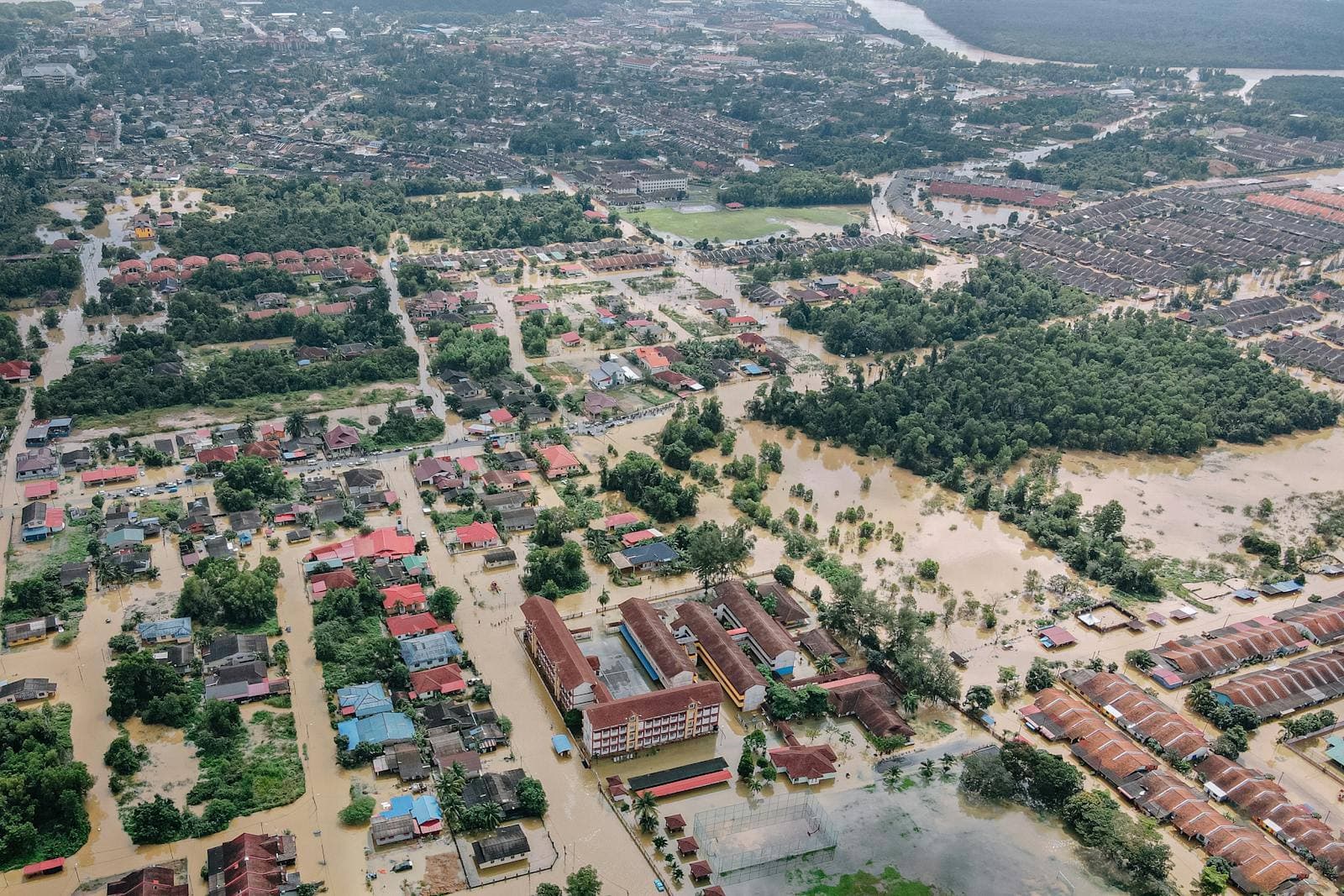
Weeks of relentless monsoon rain across the northern Indian state of Himachal Pradesh have escalated into one of its deadliest flood seasons in recent memory, with cloudbursts and landslides tearing through Himalayan villages from Kinnaur to Kangra. See the full Himachal Pradesh Floods situation report.
A Hill State Under Siege
Since heavy monsoon rains arrived on June 20, cloudbursts, flash floods and landslides have battered villages across India's Himalayan districts. Mandi district alone has recorded more than 40 rain-related deaths, followed by Kangra, Kullu and Shimla. A cloudburst in Kinnaur district's Thach village triggered flash floods that swept away vehicles, damaged houses and destroyed apple orchards, and a separate cloudburst in Kullu's Jagatkhana forced residents to flee overnight.
More than 200 roads were blocked in Kullu alone, cutting off key stretches of NH-03 between Manali and the Atal Tunnel and NH-305 between Anni and Jalori. Dozens of distribution transformers have been knocked out and drinking-water supply schemes disrupted across multiple hill districts. Cumulative losses to public and private property crossed ₹15 crore by the first week of July as the debris count kept climbing.
A ₹1,500 Crore Aid Package
On July 6, 2026, Prime Minister Narendra Modi announced a ₹1,500 crore aid package for the state, along with ex-gratia payments of ₹2 lakh to families of the deceased and ₹50,000 for the injured. The Centre had already cleared an initial tranche of ₹288.39 crore in flood relief, with additional focus on rebuilding homes under the PM Awas Yojana, restoring highways, repairing schools and supporting farmers and livestock owners.
Indian Army personnel have joined the National Disaster Response Force (NDRF), State Disaster Response Force (SDRF), fire services and district administrations in round-the-clock rescue and clearance operations. Soldiers have airlifted stranded villagers and delivered supplies to cut-off communities. Relief kits have been distributed to more than 600 families, tentage accommodation set up for displaced households in Manali, and materials donated for six Bailey bridges to reconnect isolated hamlets.
Humanitarian Response
The Indian Red Cross has mobilised volunteers across the affected districts, distributing food, clean water, blankets and hygiene supplies to families in relief camps and supporting first-aid and evacuation efforts alongside SDRF teams. Its Himachal Pradesh State Branch has coordinated with district administrations to reach cut-off communities in Mandi, Kullu and Kangra.
CARE is supporting shelter and hygiene provision in relief camps across the hill districts, drawing on its long presence in South Asian flood responses. Save the Children has flagged the disaster as an acute risk to school-age children — many of whom have lost homes, schools or family members — and is deploying child-protection support, safe spaces and psychosocial care alongside emergency food distribution.
The wider organization directory lists additional international responders active in South Asian flood emergencies.
A Warming Climate, A Fragile Terrain
Himachal Pradesh's steep terrain, dense monsoon rainfall and rapidly changing land use make it one of the most exposed states in India to cloudburst-driven flash floods and landslides. Scientists have repeatedly warned that a warming climate is intensifying the short, violent rainfall bursts that overwhelm hillside drainage and trigger slope failures. This year's early and severe damage, still in the opening weeks of the southwest monsoon, points to a difficult season ahead.
To support relief and recovery in India, visit the Himachal Pradesh Floods disaster page for links to organisations on the ground accepting donations, or browse the wider Relief Directory.