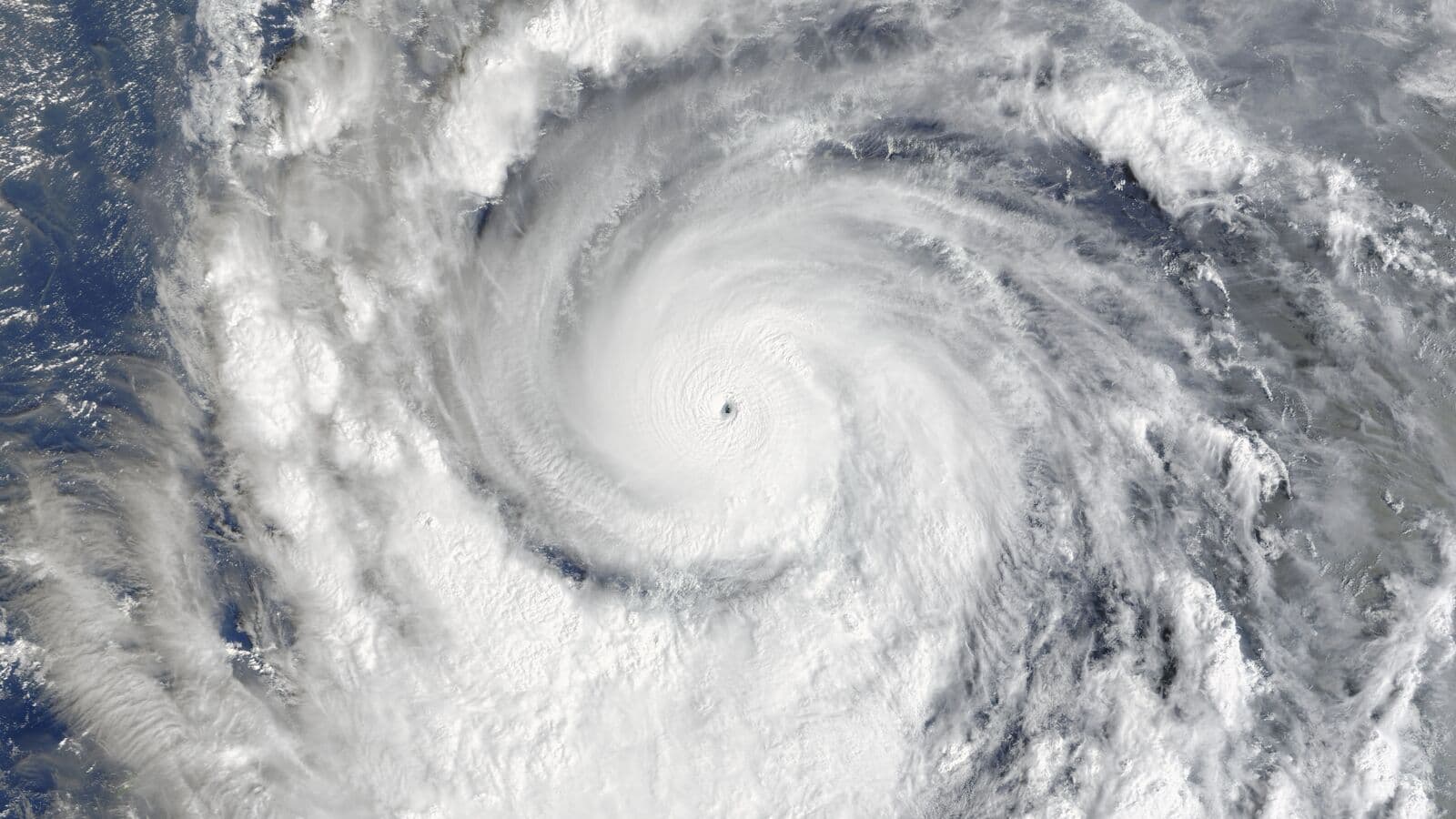
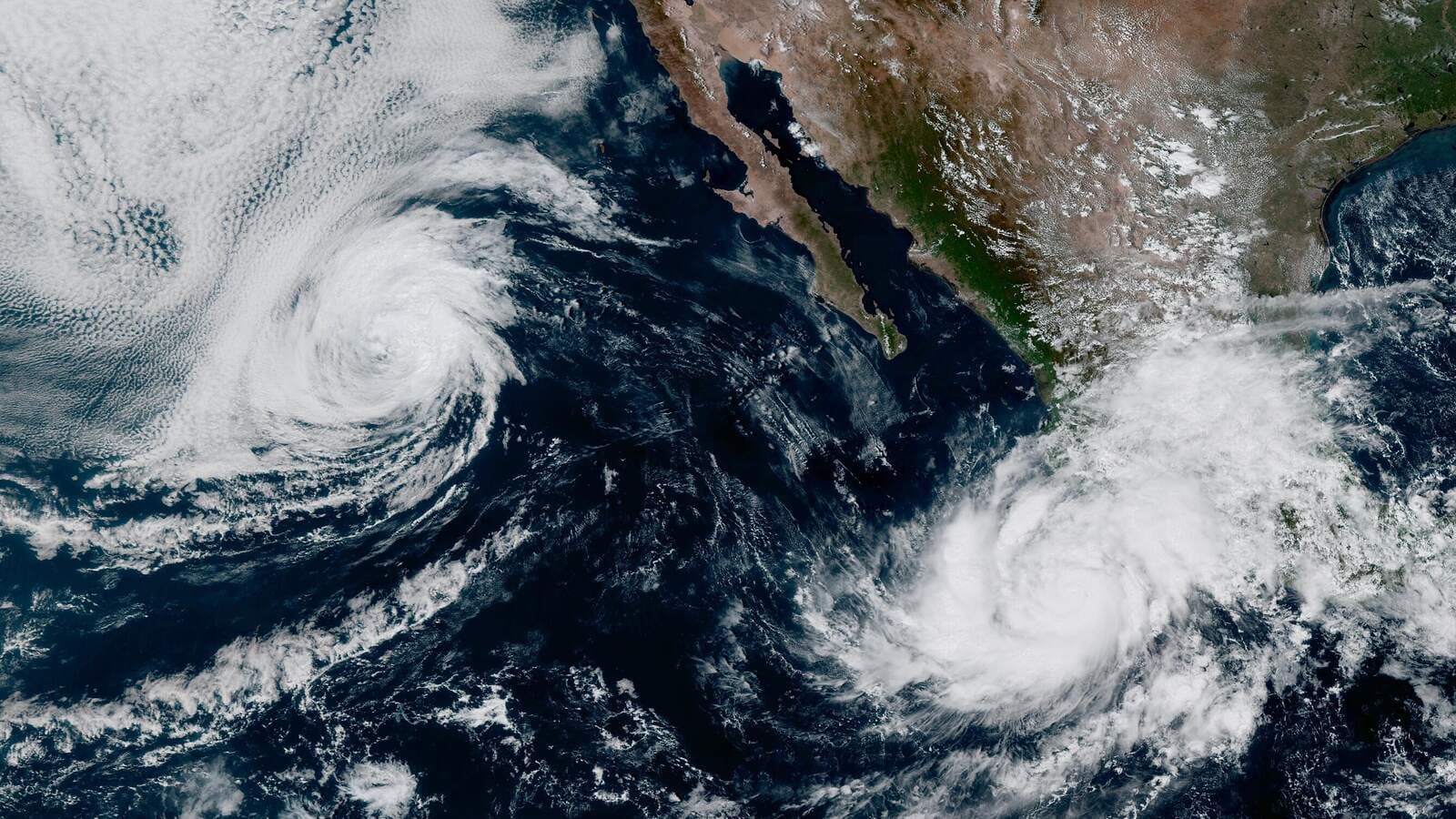
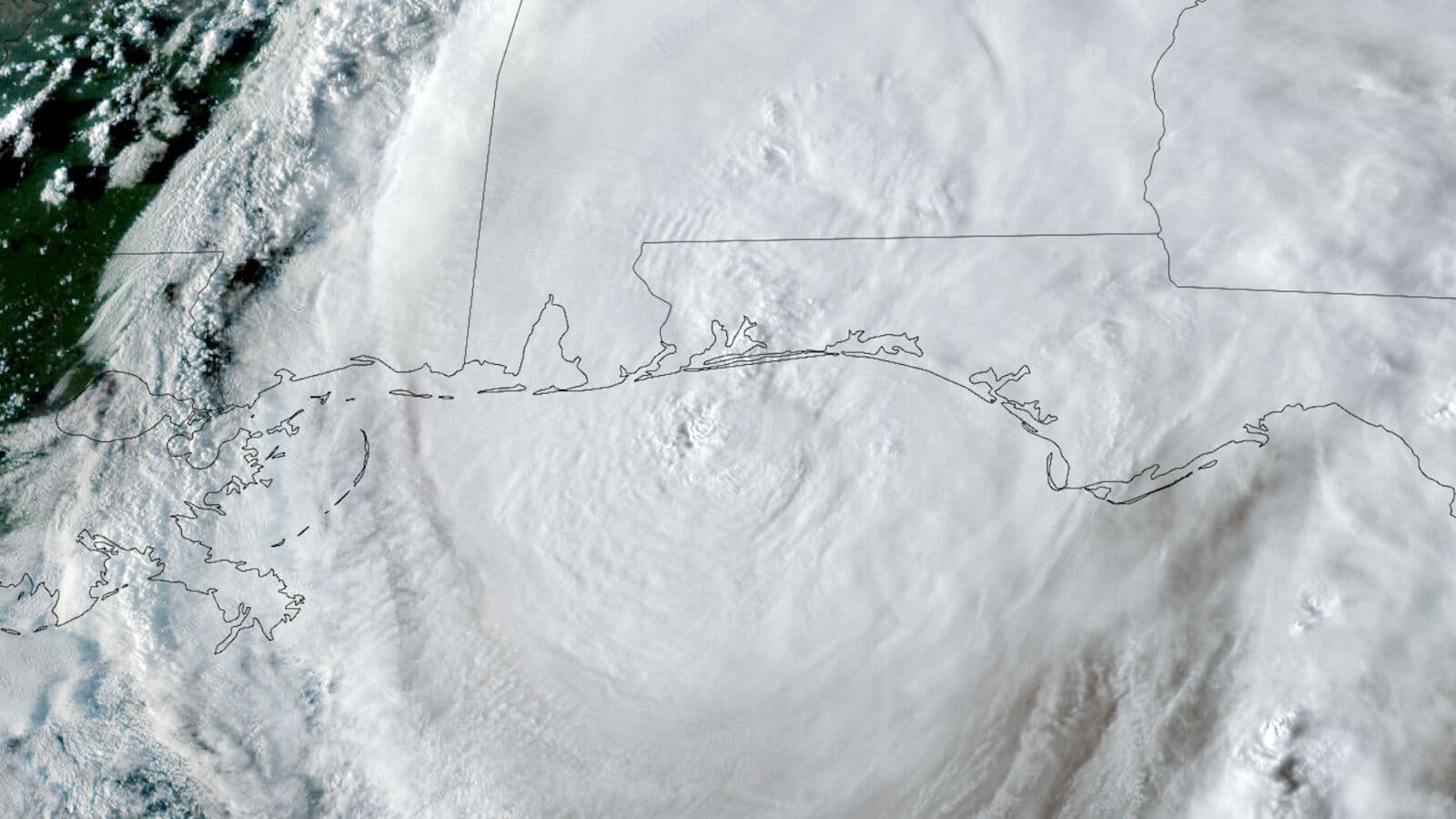
Three weeks after Hurricane Polo made landfall in northwestern Mexico, communities from the Pacific coast to Sonora are recovering from one of the most intense storms ever recorded in the Eastern Pacific. Polo formed on September 20 and explosively intensified into a Category 5 hurricane by September 22, with winds of 180 mph and a minimum pressure of 892 millibars, the second most intense Eastern Pacific hurricane on record by central pressure.
Two landfalls
Polo's rains first flooded Mexico's Pacific coast in Jalisco, Guerrero and Michoacán. The storm then made landfall near Las Barrancas, in the Comondú municipality of Baja California Sur, as a Category 2 hurricane on the night of September 28–29, crossed the Gulf of California and came ashore again near Guaymas, Sonora, as a minimal hurricane. Its remnants brought heavy rain to Chihuahua.
The toll
At least seven people were killed. Four died in Talpa de Allende, Jalisco, when a family's home was swept away by floodwaters, and deaths were also reported in Chihuahua and Sonora. A woman pulled out to sea in Puerto Vallarta was reported missing. In Sonora, more than 8,152 homes were damaged and 1,128 people were displaced. In Baja California Sur, about 700 people took refuge in shelters, and in Comondú more than 80 homes were damaged and 11 destroyed. Aon estimated losses at more than $100 million.
The response
Mexican authorities activated the military's Plan DN-III-E and deployed about 6,900 government and military personnel, and Jalisco alone opened 38 shelters. No organizations in our directory are currently listed as responding to Polo; browse our list of disaster relief organizations to find groups working in Mexico.
For updates and ways to help families affected by the storm, visit the Hurricane Polo disaster page.