A devastating military offensive launched by Israel against Hezbollah on March 2, 2026, has plunged Lebanon into its worst humanitarian crisis in decades. More than 1,530 people have been killed — including over 100 women and 130 children — and 1.2 million have been forcibly displaced, representing nearly 22% of the country's population.
Scale of the Crisis
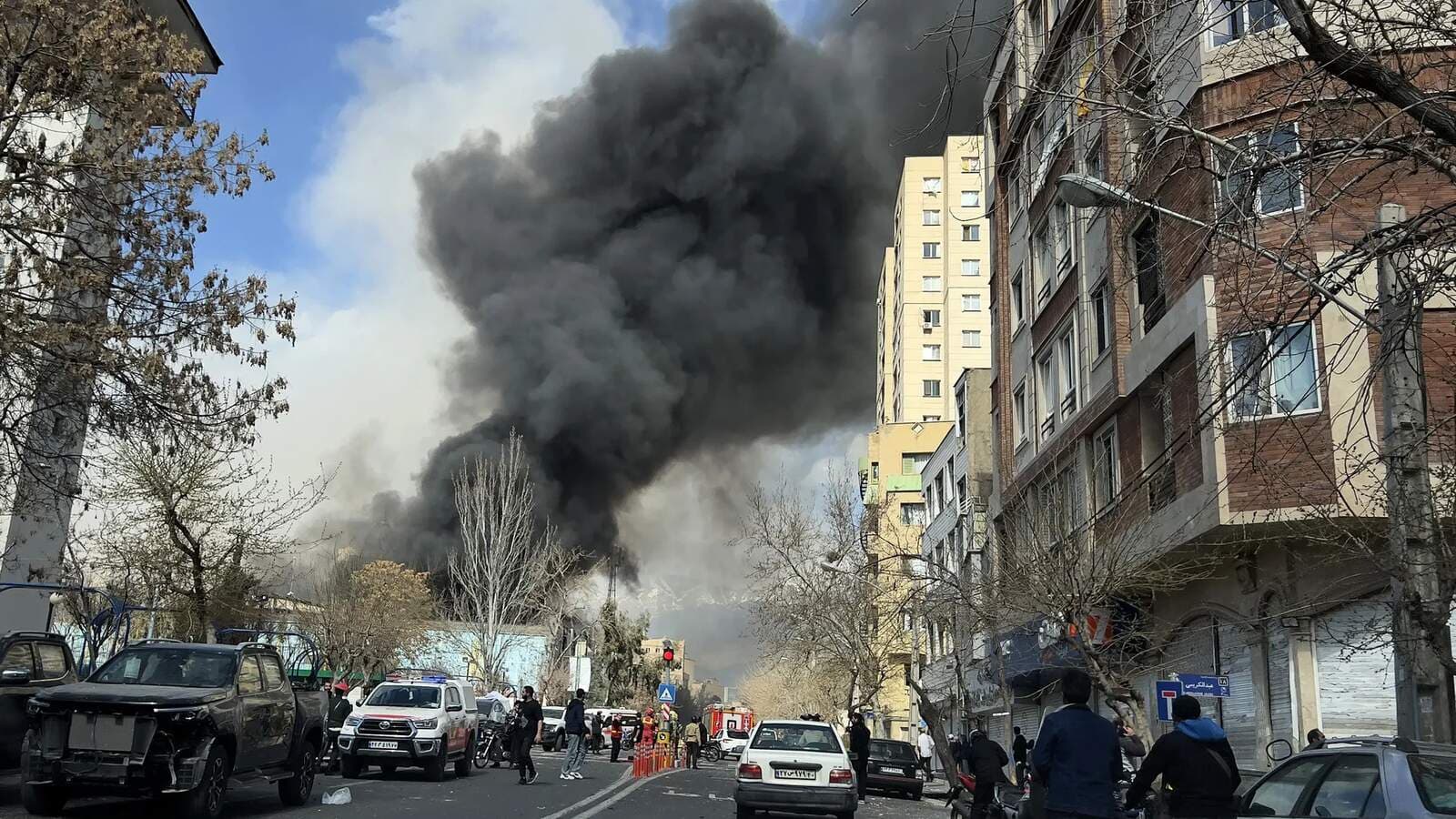
The conflict erupted following the collapse of the November 2024 ceasefire between Israel and Hezbollah, as part of the broader regional war. Israeli airstrikes have hit Beirut's southern suburbs, the Bekaa Valley, Mount Lebanon, Sidon, and villages across southern Lebanon. A ground invasion has expanded forced-displacement zones north of the Litani River, cutting off southern Lebanon from humanitarian access.
On April 9 — the deadliest single day of the war — at least 254 people were killed and over 1,165 wounded when Israel struck 100 Hezbollah targets in just 10 minutes. The attacks devastated Beirut, the Bekaa Valley, Mount Lebanon, and communities across the south.
International Response
The United Nations and partners launched a $308.3 million flash appeal covering March through May 2026, bringing together 155 partner organizations to assist up to 1.5 million crisis-affected people. The International Federation of Red Cross and Red Crescent Societies revised its emergency appeal to reach 1.2 million people with life-saving services including emergency medical care, food, shelter, and clean water.
Organizations on the Ground
Mercy Corps has been on the ground since the first days of the escalation, delivering hot meals, ready-to-eat food parcels, mattresses, blankets, and other essential relief items to displaced families across Baalbek, the Bekaa Valley, Beirut, and Mount Lebanon.
Global Empowerment Mission has activated its Beirut operations to provide emergency relief supplies and cash assistance to displaced families through its existing Lebanon office.
International Medical Corps is deploying mobile medical teams to provide emergency healthcare in areas where health infrastructure has been damaged or destroyed by airstrikes.
CARE is working with local partners to deliver emergency shelter, food, and water supplies to displaced communities.
Save the Children is focusing on the nearly 300,000 displaced children, providing child-friendly spaces, psychosocial support, and emergency education services.
How to Help
With infrastructure destroyed and access severely limited in southern Lebanon, monetary donations remain the most effective way to support relief efforts. Cash donations allow organizations to procure supplies locally and respond to rapidly changing needs on the ground.
Visit our Lebanon War disaster page for a complete list of responding organizations and direct donation links. You can also explore our directory of disaster relief organizations to find other active disaster responses worldwide.