
 Photo: Megaphone, CC BY 4.0
Lebanon War
Overview
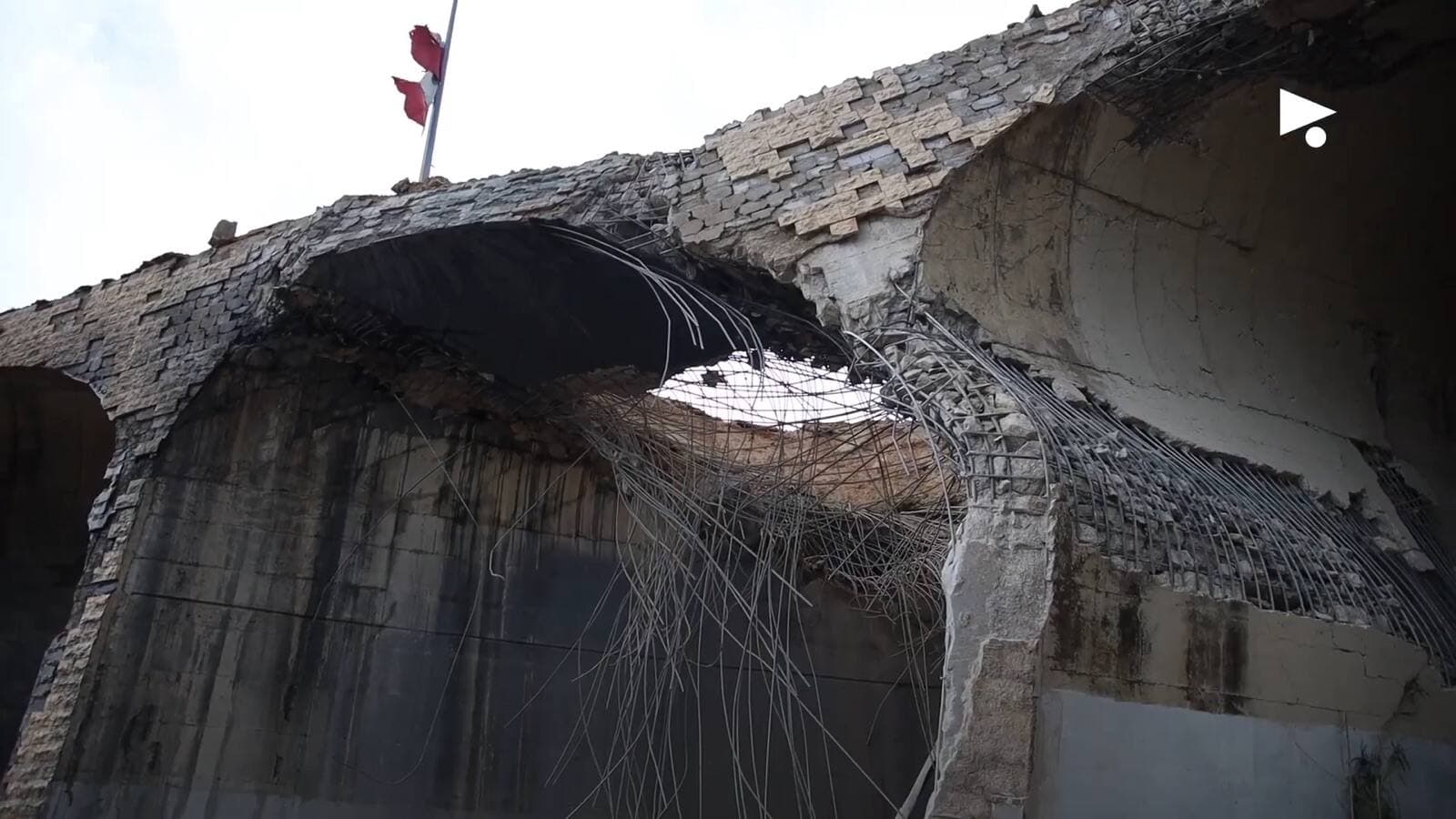
On March 2, 2026, Israel resumed large-scale military operations against Hezbollah in Lebanon following the collapse of the November 2024 ceasefire, as part of the broader regional conflict triggered by the U.S.–Israel war against Iran. Israeli airstrikes hit Beirut's southern suburbs, the Bekaa Valley, Mount Lebanon, Sidon, and villages across southern Lebanon, and a ground invasion expanded the forced-displacement zone north of the Litani River. On April 9, the deadliest single day of the war, at least 254 people were killed and over 1,165 wounded when Israel struck 100 Hezbollah targets in 10 minutes.
A U.S.-brokered truce between Israel and Hezbollah took effect around June 19–21, followed on June 26 by a Tripartite Framework Agreement signed by the United States, Lebanon, and Israel, which Hezbollah rejected. The truce has lowered the intensity of the conflict but not ended it: Israeli strikes on southern Lebanon continued through September and October, Hezbollah has launched drone attacks on Israeli troops, and Israel still holds a "security zone" in the south. As of October 11, 2026, Lebanon's Health Ministry reported 4,387 people killed and 12,424 injured since March 2. U.S.-mediated military-technical talks on Hezbollah disarmament began at U.S. Central Command headquarters in Tampa on October 20.
At the height of the war more than 1.2 million people, nearly 22% of Lebanon's population, were displaced. By mid-September, the IOM's Displacement Tracking Matrix recorded 864,680 people as having returned, while 341,228 remained internally displaced. The IFRC revised its emergency appeal to reach 1.2 million people with medical care, food, shelter, and clean water, and the UN and partners launched a $308 million flash appeal. Prosper Global (formerly Mercy Corps) has delivered meals, food parcels, and relief items in Baalbek, the Bekaa Valley, Beirut, and Mount Lebanon, and Global Empowerment Mission activated its Beirut operations. Destroyed infrastructure continues to limit humanitarian access to southern Lebanon.


At a Glance
- Status
- Active
- Severity
- Critical
- Type
- War
- Affected
- 1,200,000
- Responders
- 5 orgs
- Started
- March 2, 2026
Share
Help spread awareness about this disaster and the organizations responding.