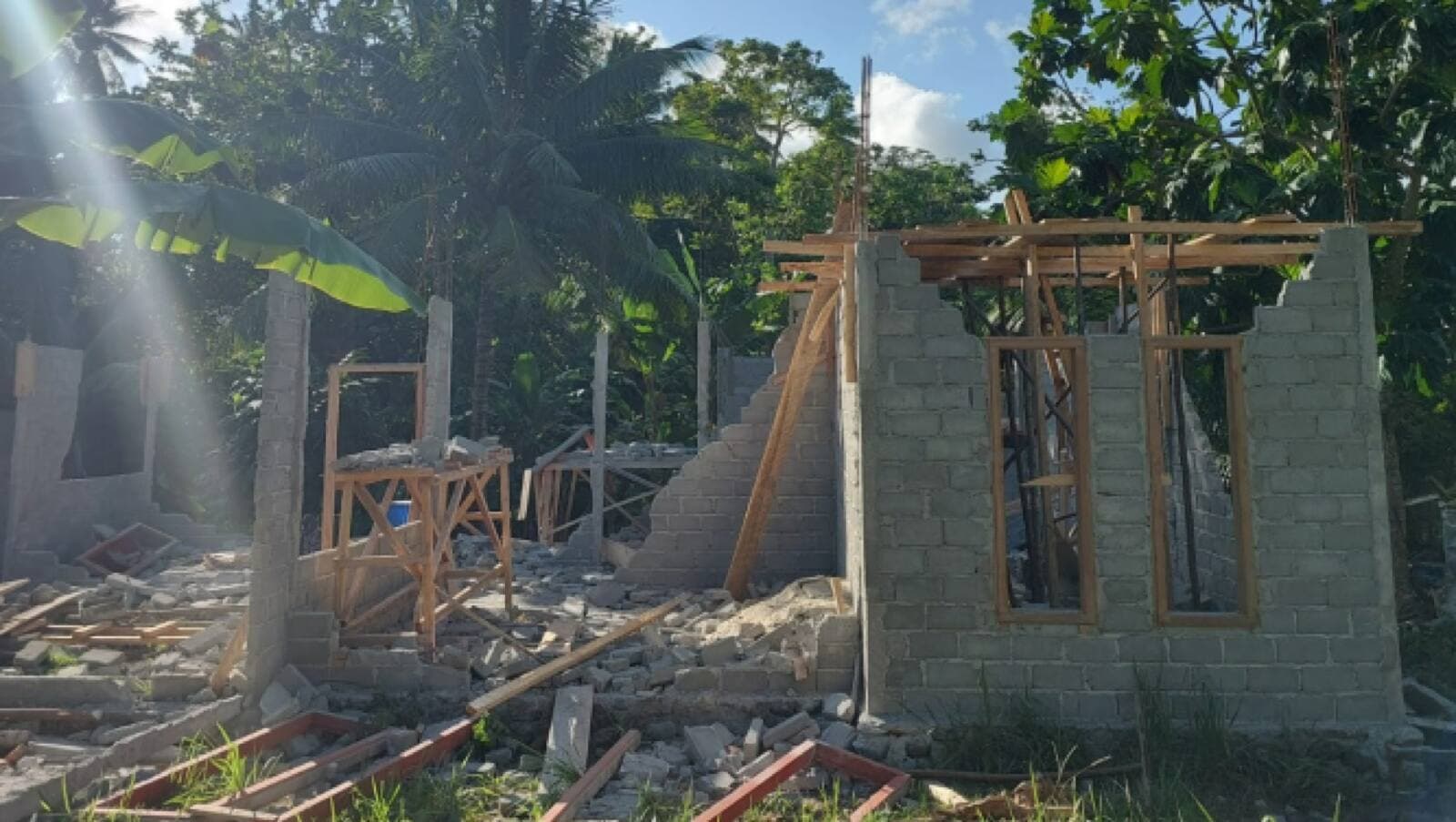
A powerful 7.4-magnitude earthquake struck off the Sanriku Coast of Iwate Prefecture, Japan, on April 20, 2026 at 16:53 local time, triggering tsunami warnings across the northern Pacific coastline and prompting the evacuation of nearly 176,000 people.
Scale of the Disaster
The earthquake, which occurred along the Japan Trench at a depth that amplified its impact on coastal communities, was initially measured at magnitude 7.5 by the Japan Meteorological Agency before being revised to 7.7. The USGS recorded the event at magnitude 7.4. Tsunami warnings for waves up to 3 meters were issued for Iwate, Aomori, and Hokkaido prefectures, with an 80-centimeter tsunami observed at Kuji Port.
Evacuation orders were issued to 82,811 households — approximately 175,957 people — across 13 cities, 21 towns, and 6 villages in Hokkaido, Aomori, Iwate, Miyagi, and Fukushima prefectures. At least 26 nonresidential buildings including schools and restaurants sustained damage in Aomori Prefecture. Shinkansen bullet train services on the Hokkaido, Tokaido, and Tohoku lines were suspended.
The JMA issued a Subsequent Earthquake Advisory through April 27, warning residents of the possibility of stronger aftershocks along the same fault zone.
Organizations Responding
International relief organizations are mobilizing alongside Japan's own well-established disaster response infrastructure:
Direct Relief is coordinating with local health partners in Japan to ensure emergency medical supplies and trauma kits are available to health facilities in the affected coastal regions.
World Central Kitchen has activated its rapid response teams and is assessing the situation to provide meals to evacuees sheltering across the five affected prefectures.
Save the Children is working with local partners to support children and families displaced by the earthquake and tsunami warnings, providing child-friendly spaces and psychosocial support in evacuation centers.
International Medical Corps is monitoring the situation and preparing to deploy medical teams if Japan's domestic health infrastructure requires additional support.
How to Help
The most effective way to support earthquake relief efforts is through monetary donations to established organizations with active operations in the region. Cash donations allow organizations to respond flexibly to evolving needs on the ground.
Visit the 2026 Sanriku Earthquake disaster page for a complete list of responding organizations and direct donation links. You can also explore our organization directory to learn more about each responding group's work.