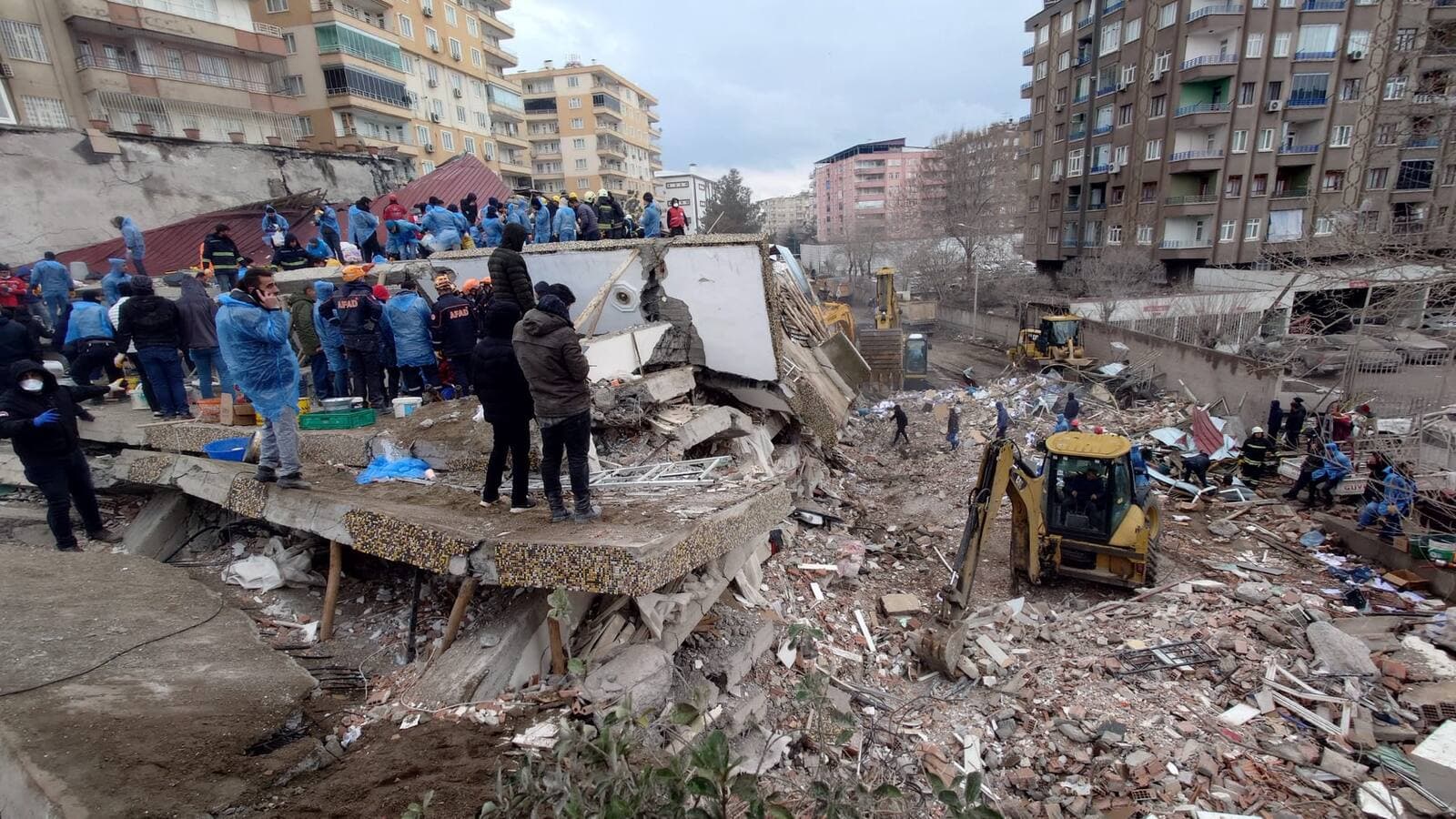
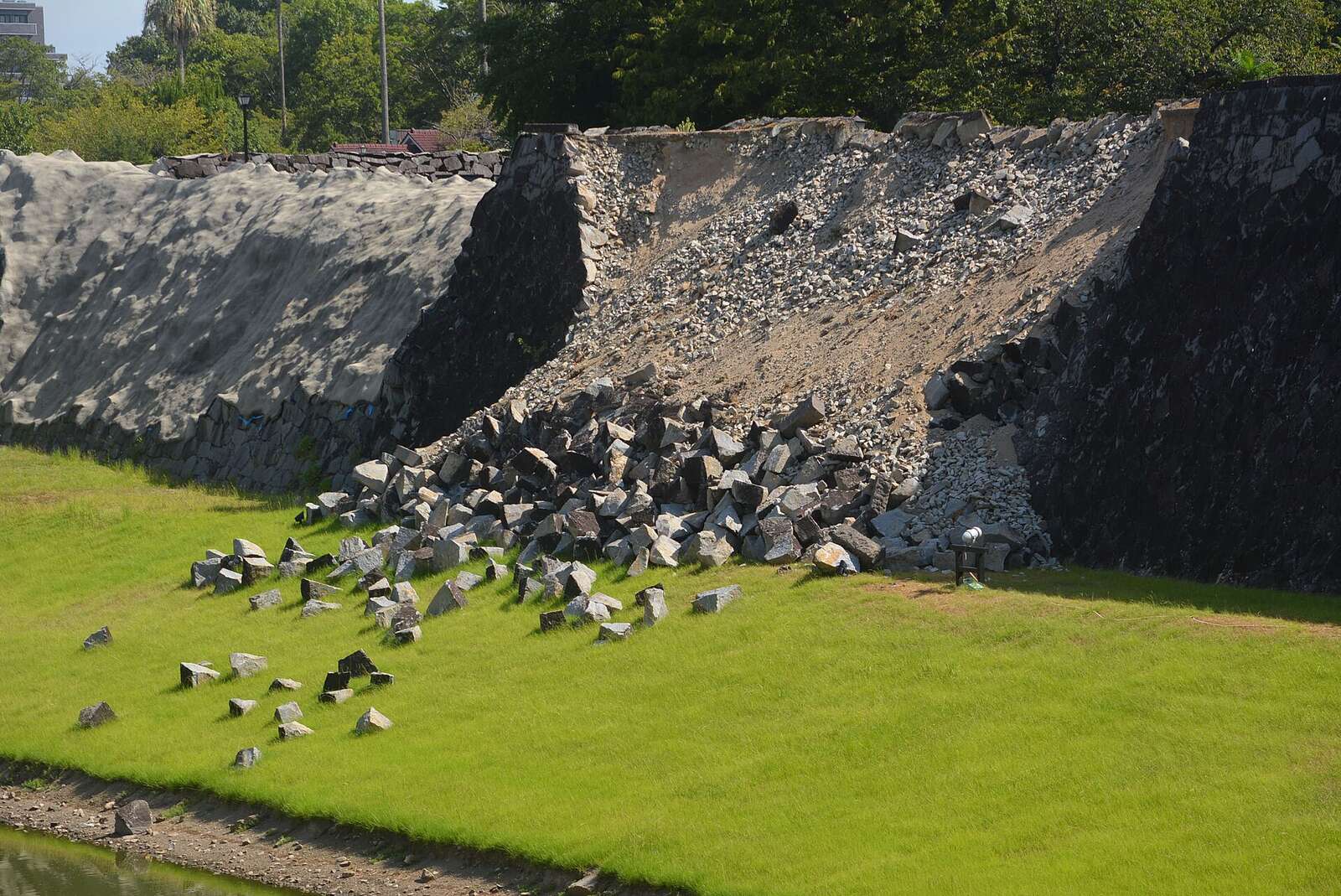
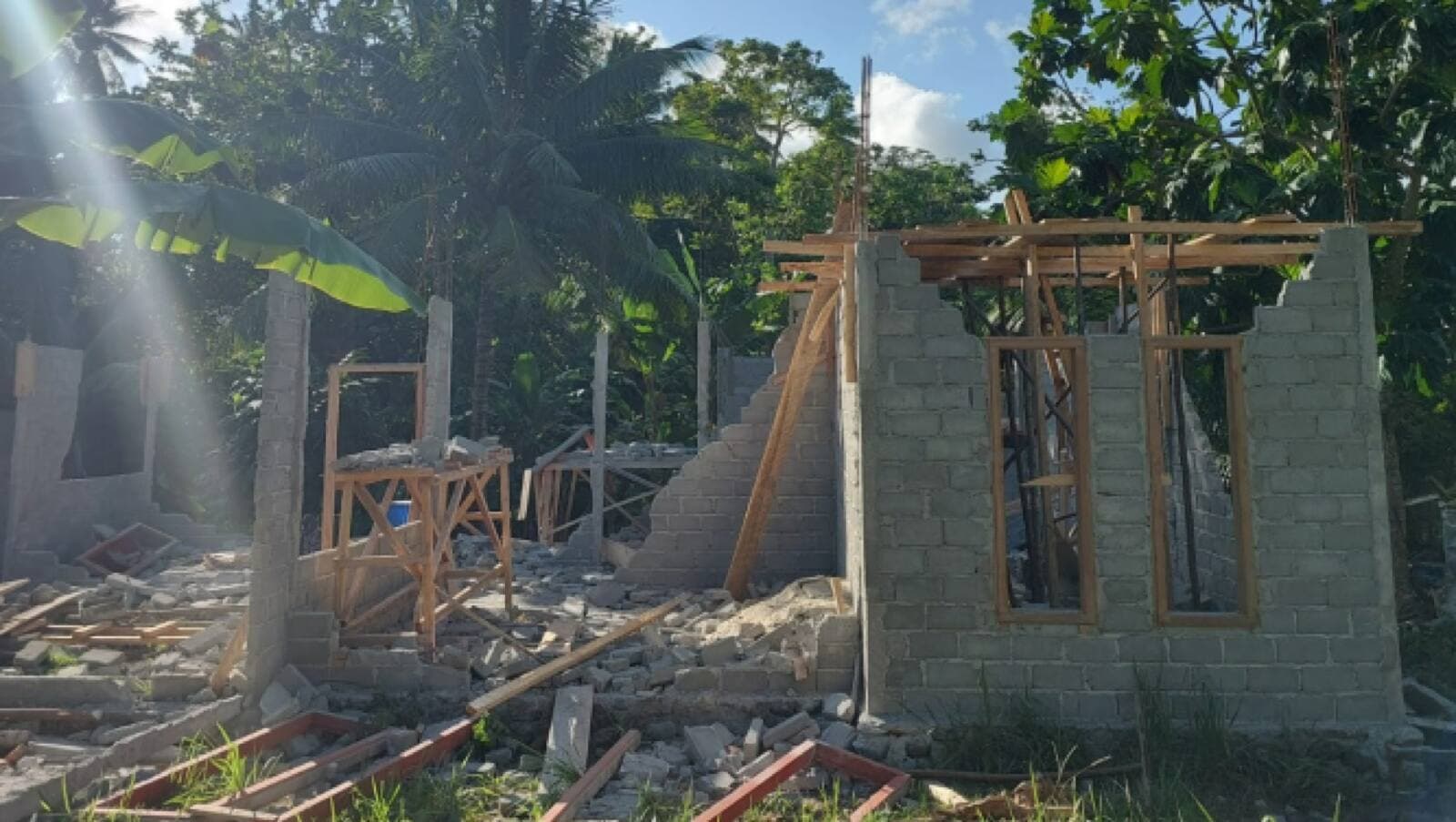
A major magnitude 7.4 earthquake struck off the Sanriku Coast near Iwate Prefecture in northern Japan on April 20, 2026, triggering tsunami warnings across five prefectures and forcing the evacuation of more than 175,000 people. The quake, which struck at 4:53 p.m. local time at a depth of 35 km along the Japan Trench, sent tsunami waves up to 80 cm to shore and prompted Japan's Meteorological Agency to issue a rare megaquake advisory.
Follow the ongoing response on the 2026 Sanriku Earthquake disaster page.
Widespread Shaking and Evacuations
The earthquake's effects were felt across a vast area of northern Japan. An estimated 333,000 people experienced strong shaking, while 3.8 million felt moderate shaking — with tremors reported as far south as Tokyo. Evacuation orders were issued to 82,811 households covering 175,957 people across 13 cities, 21 towns, and 6 villages in Hokkaido, Aomori, Iwate, Miyagi, and Fukushima prefectures.
Tsunami waves of up to 80 cm were recorded at Kuji Port in Iwate Prefecture and 40 cm at Miyako Port. Bullet train services were temporarily suspended, and coastal communities were urged to move to higher ground. Two people sustained injuries from falls during the shaking.
Megaquake Advisory Raises Concerns
In a rare move, JMA issued an Off the Coast of Hokkaido and Sanriku Subsequent Earthquake Advisory, warning residents of the possibility of a stronger earthquake through April 27. Scientists noted that the quake occurred along the same subduction zone that produced the devastating 2011 Tohoku earthquake and tsunami, heightening vigilance across the region.
Organizations Responding
The American Red Cross is coordinating with the Japanese Red Cross Society, which mobilized relief teams immediately after the earthquake to open and staff evacuation centers, conduct damage assessments, and provide emergency supplies to displaced residents across the affected prefectures.
Direct Relief is working with its healthcare partners in Japan to assess medical needs and pre-position emergency supplies, including trauma kits and essential medications, for communities affected by the earthquake and potential aftershocks.
How to Help
The most effective way to support earthquake response in Japan is through monetary donations to established relief organizations. Cash donations allow responders to procure supplies locally and direct resources where they are needed most.
Visit the 2026 Sanriku Earthquake disaster page for a complete list of responding organizations and direct donation links, or browse Disaster Relief Organizations to find vetted organizations providing disaster relief worldwide.