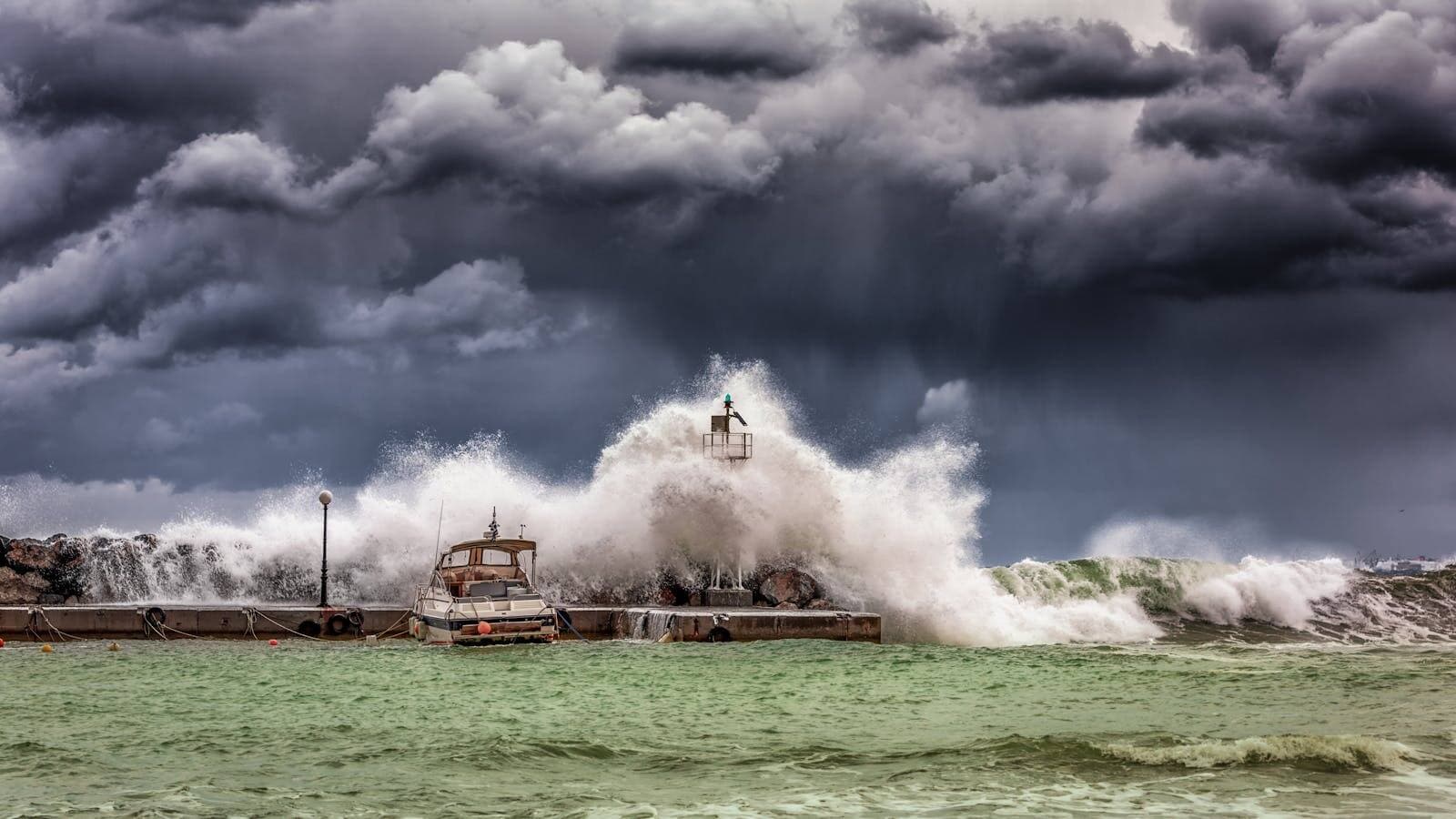
One of the most intense June typhoons in more than a decade has swept across East Asia, leaving two people dead in Taiwan and forcing 2.2 million residents to flee their homes in Japan as Typhoon Mekkhala carved a destructive path westward through the western Pacific.
Taiwan: Deaths and Widespread Flooding
Mekkhala's outer bands began lashing southern Taiwan on June 25, bringing torrential downpours to Kaohsiung, Tainan, and Pingtung that prompted authorities to close schools and offices for more than five million residents. Two people died — a 73-year-old woman swept away by floodwaters in Kaohsiung and a 49-year-old woman found inside a submerged car in Hsinchu County. Officials in Hualien County evacuated nearly 200 residents from downstream townships as a mountain barrier lake filled rapidly, raising fears of catastrophic overflow.
Taiwan's main north-south railway line was shut down for hours as floodwaters inundated tracks, leaving tens of thousands of commuters stranded. The government mobilized disaster response teams and emergency shelters across the island.
Japan: 2.2 Million Under Evacuation Orders
The storm struck western Japan on June 26–27, triggering the country's highest-level flood and landslide warnings across Kyushu and western Honshu. Authorities issued mandatory evacuation orders for 2.2 million people in Kagoshima, Miyazaki, Yamaguchi, and Hiroshima prefectures. Heavy rainfall overflowed a reservoir in Hiroshima Prefecture, inundating homes, while a landslide in Yamaguchi Prefecture caused one additional death. Twenty-three people were injured across Okinawa, Kagoshima, and Ehime prefectures.
More than 200 domestic and international flights were cancelled, multiple Shinkansen lines and regional rail services were suspended, and Toyota temporarily halted production at a western Japan plant.
Humanitarian Response
The American Red Cross and the Japanese Red Cross coordinated emergency relief across evacuation centers in western Japan, while Save the Children mobilized child-protection and psychosocial support for displaced families. The IFRC activated emergency networks across both Japan and Taiwan to provide shelter materials, clean water, and emergency supplies.
With the storm now past, damage assessments are ongoing. Authorities warn that secondary hazards — landslides, flooding from saturated hillsides, and contaminated water supplies — remain elevated in the hardest-hit prefectures.
If you or someone you know has been affected by Typhoon Mekkhala, visit the Typhoon Mekkhala disaster page for the latest updates and links to relief organizations accepting donations.