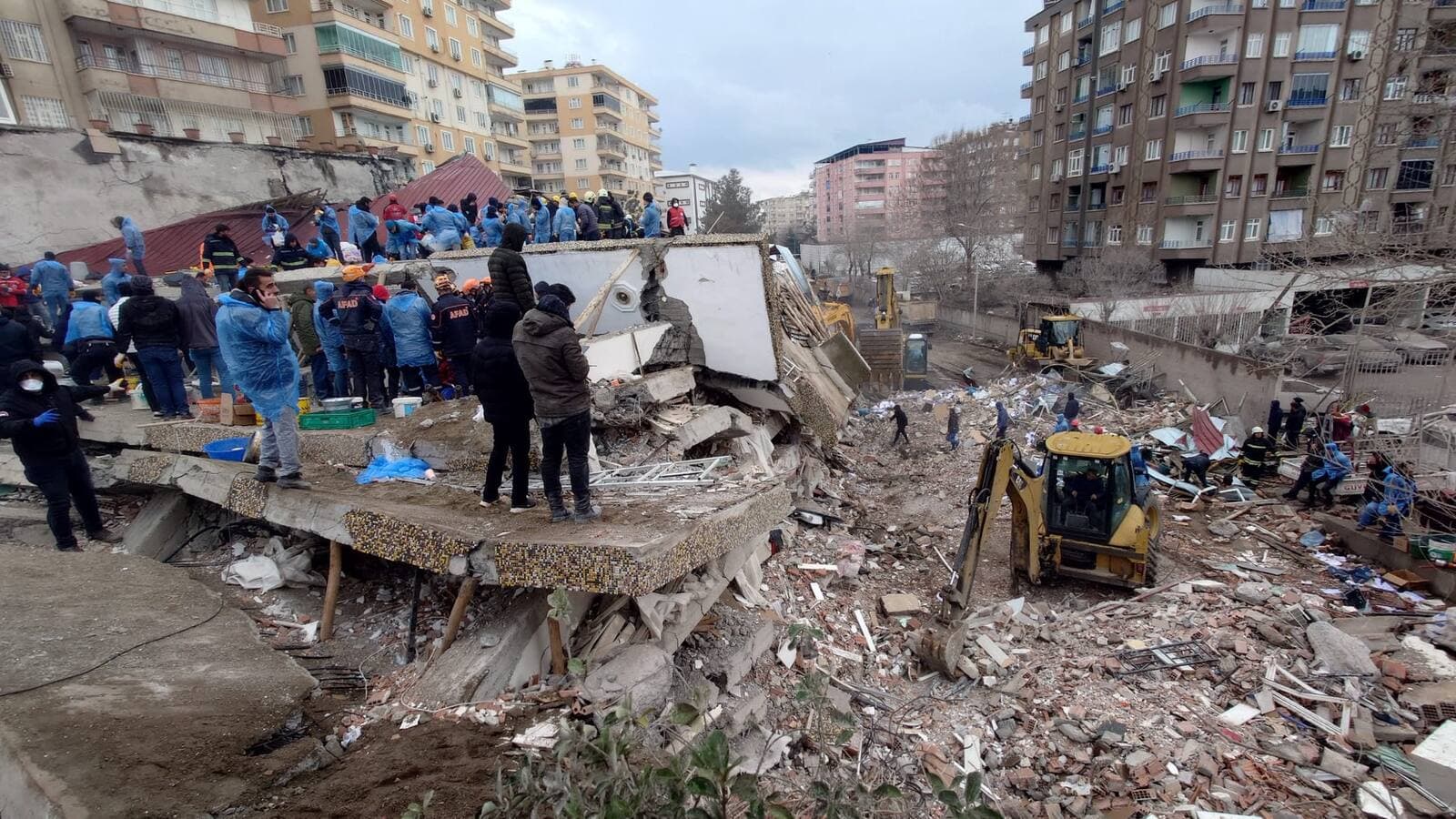
On the evening of June 24, 2026, two powerful earthquakes struck north-central Venezuela within 39 seconds of each other, causing catastrophic destruction across the country's central states and Caribbean coast. A magnitude 7.2 foreshock was followed almost immediately by a magnitude 7.5 mainshock — the strongest earthquake to hit Venezuela in more than 125 years — with its epicenter near the city of San Felipe in Yaracuy state, along the San Sebastián fault. As of June 28, the confirmed death toll has surpassed 1,400, with more than 3,200 injured and over 68,000 people still unaccounted for — a figure officials warn could push the final toll far higher as rescuers reach collapsed buildings and communities cut off from help.
Destruction Across La Guaira and Caracas
While the mainshock's epicenter lay inland near San Felipe, the densely built coastal corridor of La Guaira and the capital, Caracas, were among the hardest-hit areas. More than 100 buildings collapsed across the region, with video footage showing multi-story structures reduced to rubble and others leaning at dangerous angles. Simón Bolívar International Airport — Venezuela's main international gateway, located in La Guaira — was severely damaged, complicating the arrival of foreign aid and rescue teams at the moment they were needed most. The Venezuelan government declared La Guaira a disaster zone and converted schools across the region into emergency shelters.
USGS PAGER issued a red alert, its highest level, signaling a high probability of mass casualties and extensive economic losses. Economic damage is now estimated at between $4.7 billion and $8.7 billion. Aftershocks continued to rattle the region in the days following the initial quakes, hampering rescue efforts and forcing tens of thousands of residents to remain outdoors.
International Response
The scale of the disaster triggered one of the largest international relief mobilizations seen in South America in years. The Venezuelan government deployed more than 14,000 military personnel to lead search-and-rescue operations, joined by over 1,600 foreign rescue specialists from France, Mexico, Colombia, Chile, Spain, and the Dominican Republic, who fanned out across the worst-affected areas to dig through rubble and treat the injured.
The United States pledged $150 million in aid, including $100 million to a UN humanitarian fund for Venezuela and $50 million to organizations already operating in the country, and deployed U.S. Defense Department aircraft alongside American search-and-rescue teams to support damage assessment and relief delivery.
Red Cross has been a central force in the emergency response. The International Federation of Red Cross and Red Crescent Societies activated its emergency network across Venezuela, and the Venezuelan Red Cross deployed assessment teams to the worst-affected areas while coordinating rescue operations, medical care, and the distribution of emergency supplies.
Global Empowerment Mission is partnering with Venezuelan organizations on the ground to provide direct relief to affected families, focusing on shelter, food, and essential supplies in hard-to-reach communities.
UN agencies including UNICEF, the World Food Programme, the International Organization for Migration, and UNHCR are mobilizing additional support, with UNICEF dispatching a 48-metric-ton shipment of medical equipment and water, sanitation, and hygiene (WASH) supplies from its Copenhagen supply hub.
How to Help
If you would like to support the relief effort, visit the Venezuela Earthquakes disaster page to see how to donate and which organizations are on the ground. Every contribution helps rescuers reach survivors and deliver life-saving aid to the hundreds of thousands affected by this catastrophe.