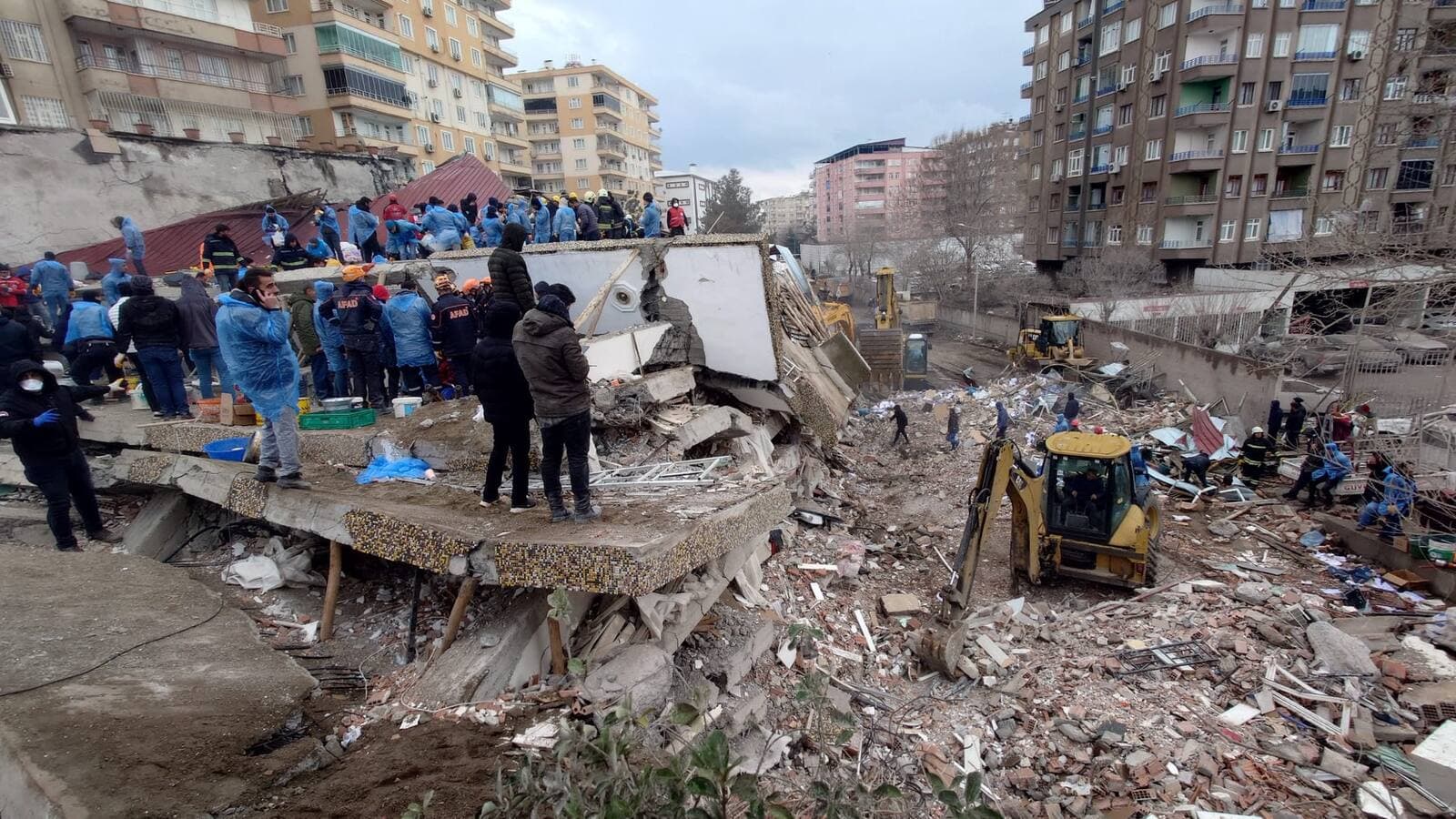
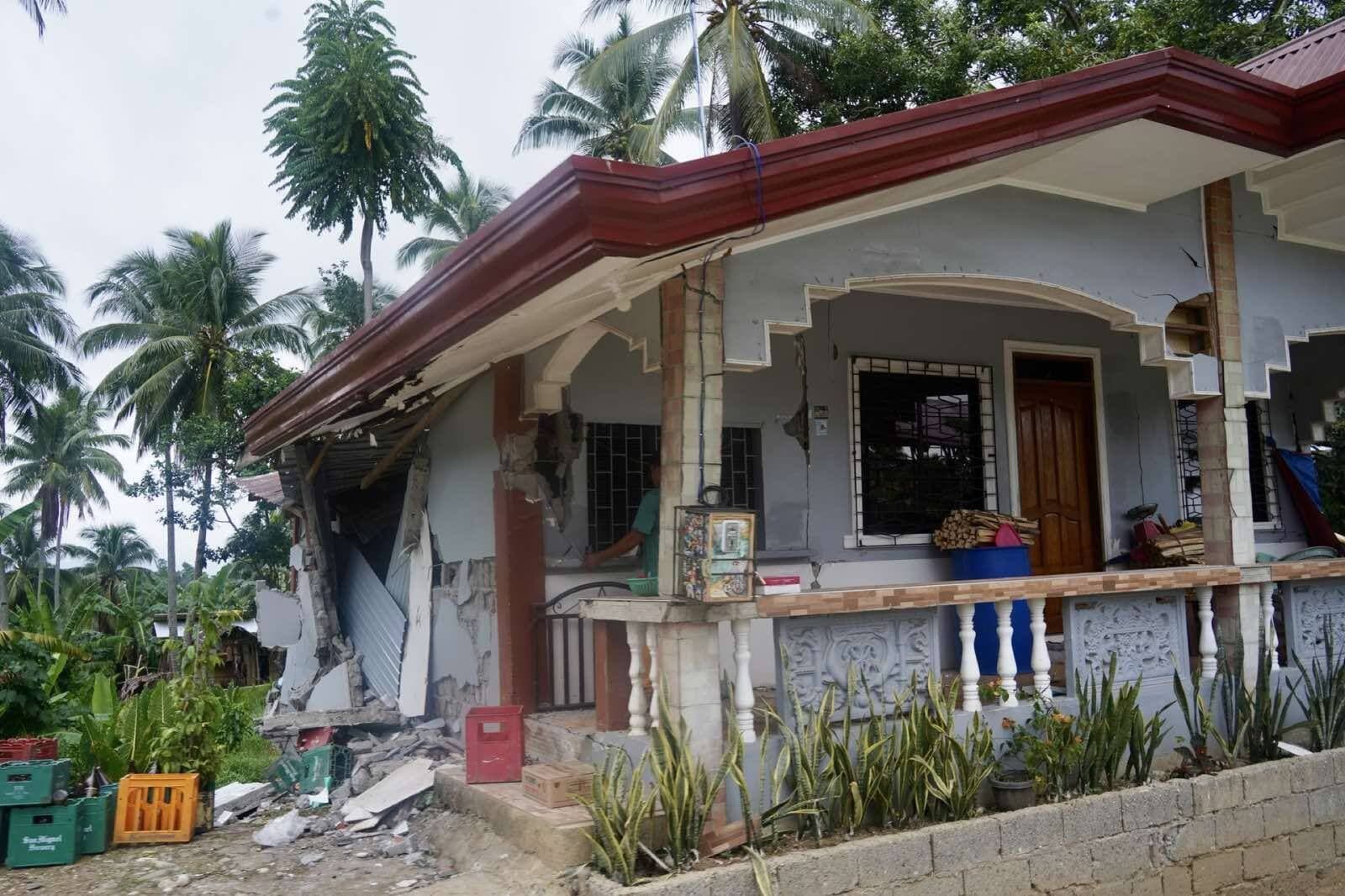
On May 2, 2026, Mount Mayon erupted with explosive pyroclastic density currents cascading down its southwestern slopes, triggering immediate mass evacuations across Albay Province on the island of Luzon in the Philippines. The Philippine Institute of Volcanology and Seismology (PHIVOLCS) raised Alert Level 3, indicating that a hazardous eruption was imminent or underway.
Scale of Impact
Within 48 hours, authorities confirmed that 102,406 people across 87 barangays had been affected by the eruption. Lava flows extended up to 3.8 km from the crater, while ashfall blanketed municipalities including Camalig, Guinobatan, Legazpi City, and Daraga. At least 5,440 people were sheltering in 87 evacuation centers, with thousands more taking refuge with relatives outside the permanent danger zone.
The eruption triggered dangerous rockfalls and volcanic earthquakes, and PHIVOLCS recorded sustained Strombolian activity in the days following the initial event. Authorities warned the public to remain outside the 6-km permanent danger zone, with aviation warnings issued for aircraft near the summit.
Humanitarian Response
President Ferdinand Marcos Jr. ordered a full government mobilization. The Department of Social Welfare and Development (DSWD) distributed more than 266,000 family food packs alongside hygiene kits and non-food items to displaced residents in the Bicol region. The Philippine Red Cross placed response teams on high alert, with volunteers providing real-time situational updates from Camalig, Guinobatan, Legazpi City, and Daraga.
International organizations are also mobilizing support. Direct Relief is coordinating medical supply shipments, CARE is deploying emergency response teams to assist the most vulnerable families, Save the Children is prioritizing child-friendly spaces and protection services in evacuation centers, and International Medical Corps is providing health support amid growing concerns over respiratory illness from ashfall.
Health and Water Concerns
Ashfall contamination of water supplies emerged as a critical secondary risk. Authorities distributed face masks and water purification supplies across affected municipalities. Medical teams are monitoring for respiratory conditions and waterborne diseases in overcrowded evacuation centers.
Looking Ahead
PHIVOLCS warned that Mayon could escalate to more intense eruptions, and residents within an 8-km radius have been advised to remain prepared for possible evacuation. Scientists noted that Mayon has erupted more than 50 times since 1616, making it the most active volcano in the Philippines.
The organization directory lists international aid groups currently active in the Philippines. To support affected communities, visit the Mayon Volcano Eruption disaster page for donation links and response updates.