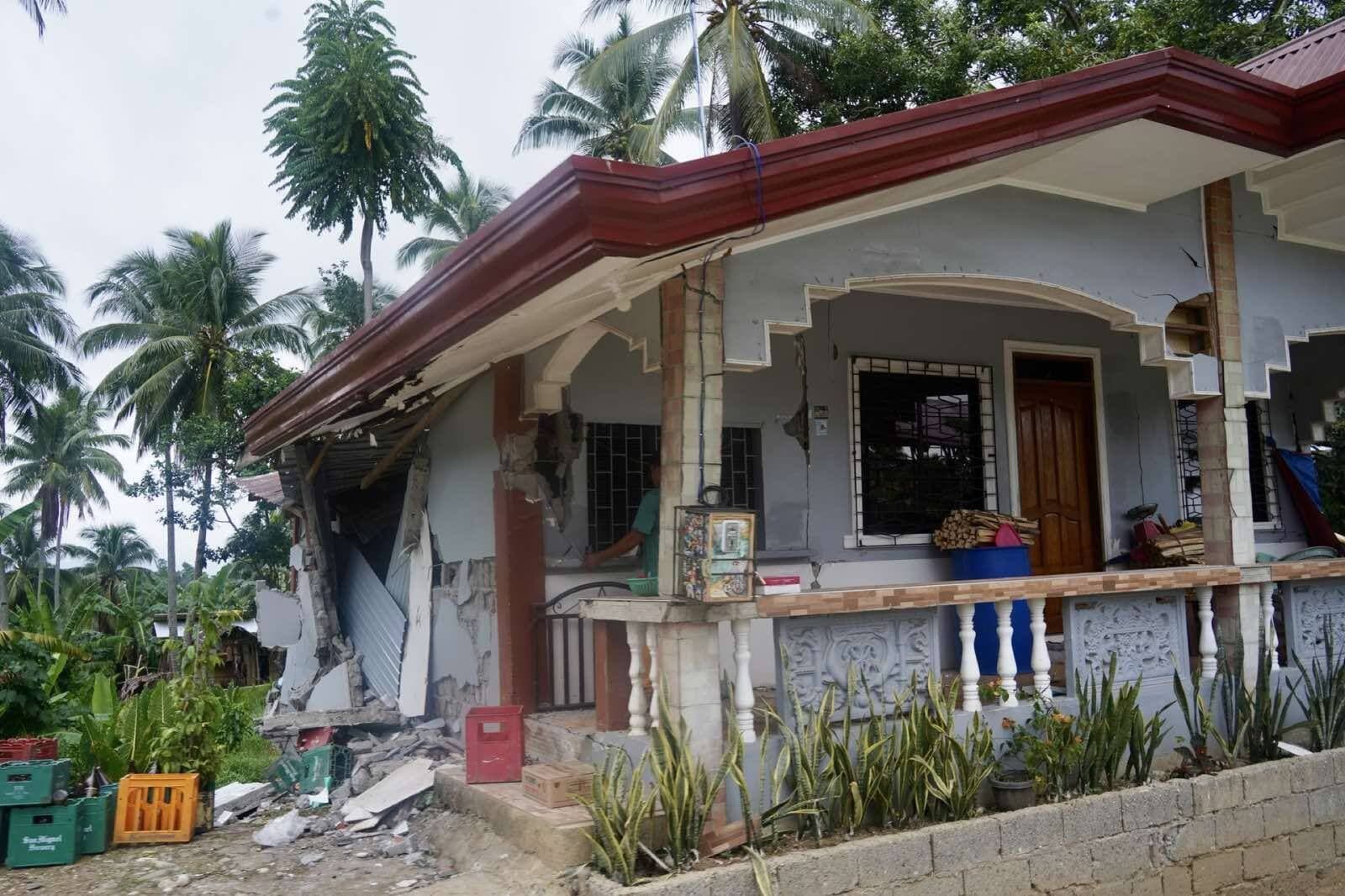
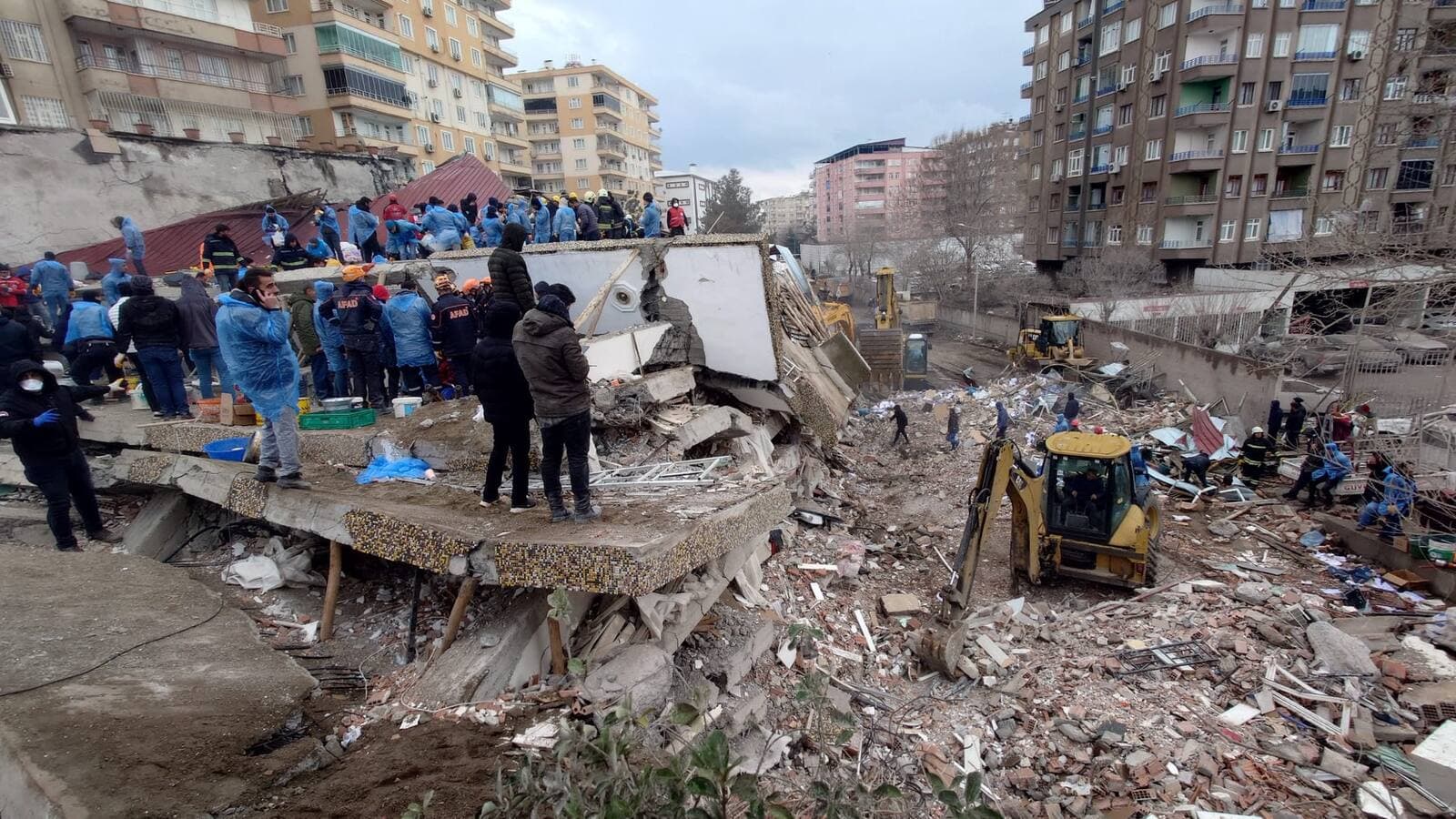
A 7.8 magnitude earthquake struck off the southern coast of Philippines on the morning of June 8, 2026, sending shockwaves across Mindanao and triggering a tsunami that inundated nearby coastlines. The Mindanao Earthquake 2026 is one of the most powerful seismic events to hit the region in recent memory.
What Happened
The earthquake struck at 7:37 a.m. local time, with its epicenter located approximately 26 km west-southwest of Kablalan in Sarangani province at a depth of 55 kilometers. The United States Geological Survey measured the quake at magnitude 7.8 — powerful enough to expose an estimated 5.5 million people to strong shaking across Mindanao and parts of neighboring Indonesia, Malaysia, and as far as Taiwan.
The quake toppled buildings, knocked out power, and damaged hospitals and schools. A 1-meter tsunami struck nearby coasts, adding to the destruction along low-lying communities. A landslide triggered in Sarangani province buried a village, accounting for 13 of the 45 confirmed deaths. More than 630 people were injured and 17 remained missing as of June 10.
Displacement and Damage
Over 32,900 families — approximately 145,693 individuals — have been displaced across 163 barangays in Sarangani, South Cotabato, Davao Occidental, and General Santos City. Nearly 9,000 families are sheltering in 54 evacuation centers. Property damage in General Santos City alone exceeded ₱1 billion (approximately $20 million USD), and more than 7,800 homes were damaged or destroyed across the region. Over 2,000 aftershocks have been recorded since the main event.
Relief Response
Philippine President Ferdinand Marcos Jr. immediately activated all government disaster-response agencies and declared a state of calamity in affected provinces. Hundreds of military, police, coast guard, and firefighting teams were deployed to assess damage, conduct search and rescue, and deliver aid.
International humanitarian organizations have mobilized rapidly:
- American Red Cross and the Philippine Red Cross activated an emergency fund appeal and deployed teams to provide medical services, clean water, shelter assistance, and psychosocial support.
- Americares launched a crisis response for the disaster, prepositioning medical supplies and working with local health facilities to restore care.
- Save the Children is prioritizing the safety of children among the tens of thousands displaced, supporting learning continuity and child protection services.
- Direct Relief is coordinating the delivery of emergency medical supplies to health facilities across the affected region.
UNICEF Philippines confirmed it had pre-positioned emergency supplies and cash transfers to support health, nutrition, water, sanitation, and child protection needs.
How to Help
Thousands of families remain displaced and in urgent need of shelter, food, clean water, and medical care. To support the relief effort, visit the Mindanao Earthquake 2026 disaster page for donation links to verified responding organizations.