As 2025 draws to a close, the scale of natural disasters this year has been staggering. From catastrophic wildfires in California to earthquakes across Asia and devastating flooding on multiple continents, the year tested the capacity of relief organizations worldwide.
By the Numbers
The year saw over 50 significant disaster events we tracked, affecting an estimated 200 million people across six continents. Economic losses from natural disasters in 2025 are expected to exceed $300 billion globally.
Defining Events of 2025
LA County Wildfires (January) — The year began with devastating wildfires in Los Angeles County that destroyed thousands of structures and forced mass evacuations across the urban-wildland interface.
Myanmar & Thailand Earthquake (March) — A powerful 7.7-magnitude earthquake caused massive destruction across Myanmar and northern Thailand, with the humanitarian response complicated by the country's political crisis.
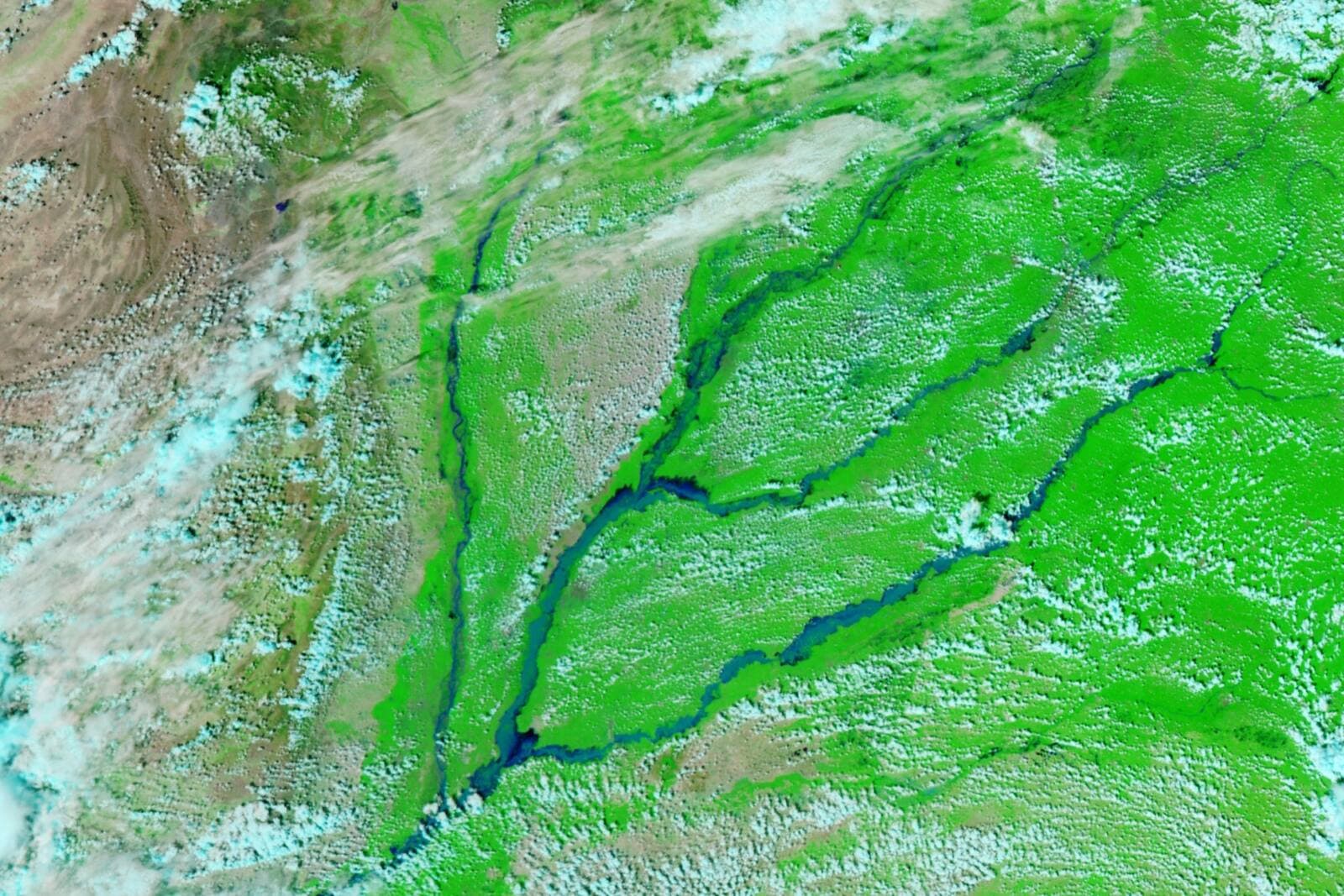
Pakistan Monsoon Flooding (July) — For the third consecutive year, Pakistan endured catastrophic monsoon flooding, affecting millions across the country's southern provinces.
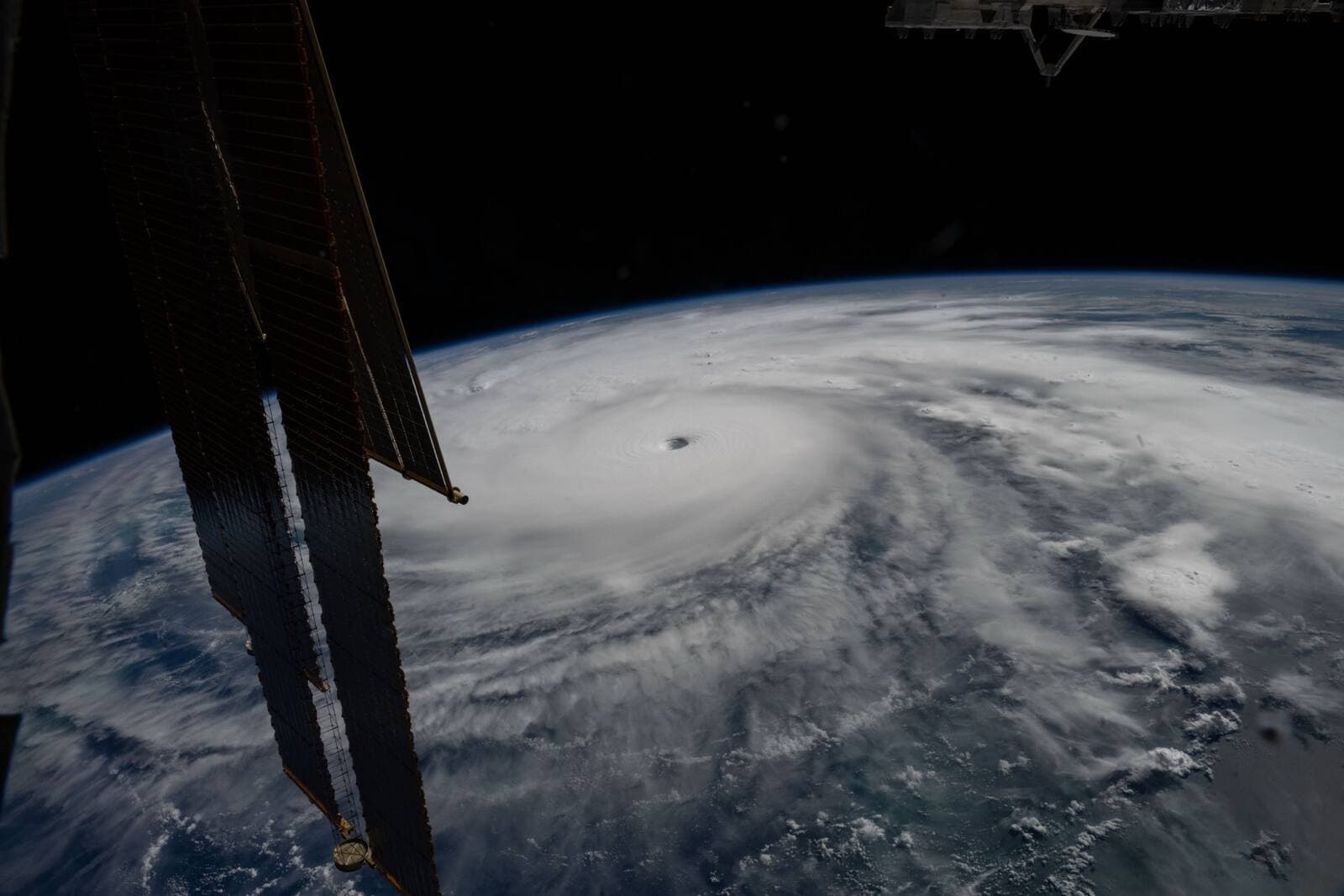
Hurricane Melissa (October) — One of the strongest late-season hurricanes on record battered the eastern Caribbean as a Category 4 storm.
The Role of Relief Organizations
Organizations we track collectively deployed to over 100 operations in 2025, delivering billions of dollars in aid. The American Red Cross, World Central Kitchen, and FEMA led the domestic response, while international organizations like Mercy Corps, CARE, and Save the Children operated across multiple continents.
Looking to 2026
As climate change continues to drive more frequent and intense natural disasters, the need for well-funded, well-prepared relief organizations has never been greater. Supporting these organizations in advance — not just in the aftermath of disasters — is critical to building global resilience.