
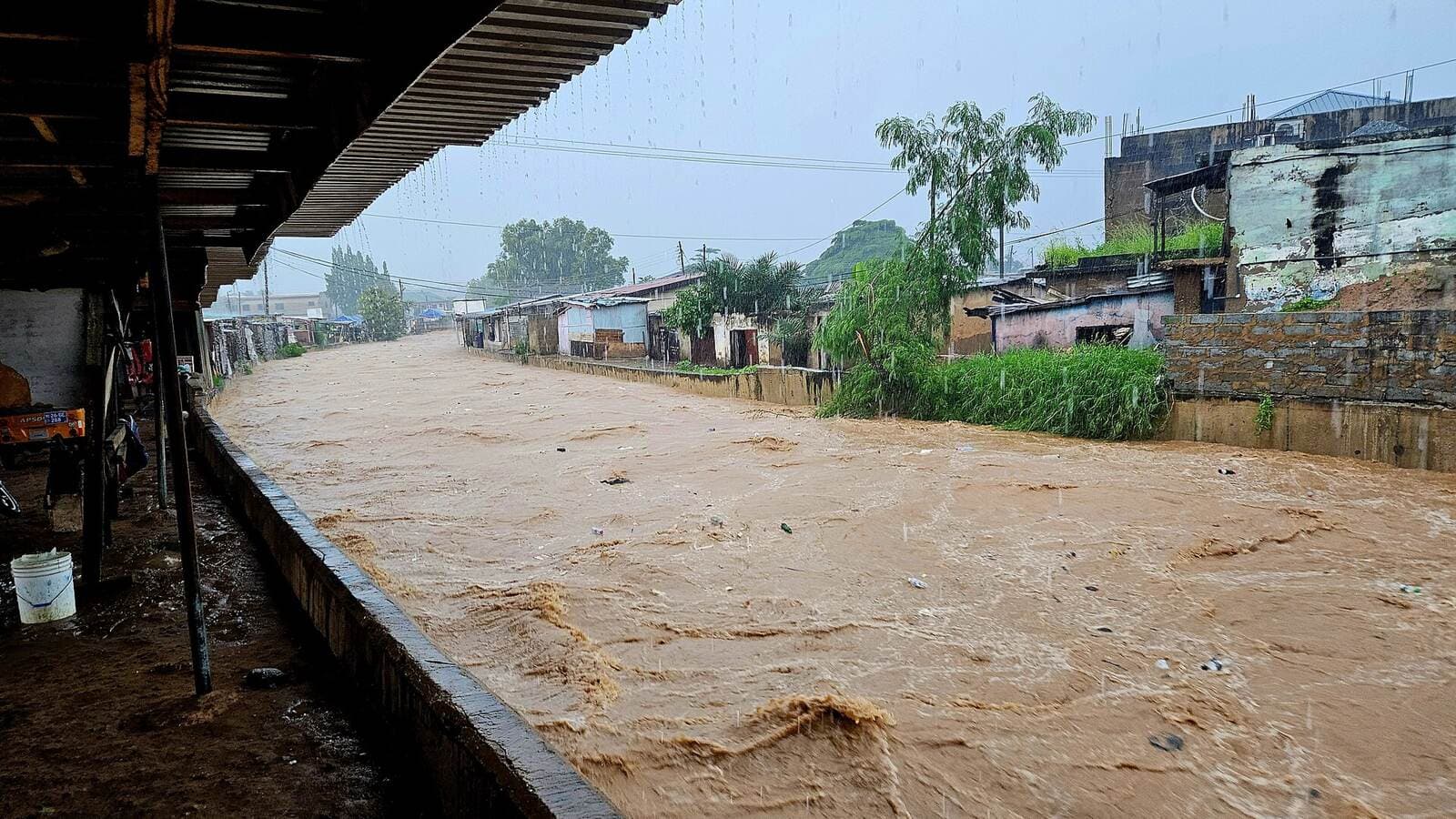
 Photo: Nanakwafoa, CC BY-SA 4.0
Ghana Floods
Overview
On June 29, 2026, unprecedented flooding swept through Accra and communities across Ghana's Greater Accra and Central regions after exceptional rainfall overwhelmed the capital's chronically inadequate drainage infrastructure. At least 12 people were confirmed dead in the Greater Accra Region and the death toll continued to rise as rescue operations extended into outlying communities. In the Central Region, torrential rains the previous weekend had already killed 18 people across 13 districts. In Ghana's Western Region, more than 1,710 people were displaced in the Wassa Amenfi West Municipality alone, with the communities of Samreboi, Wassa Dunkwa, and Asankragwa among the hardest hit.
President John Dramani Mahama declared the flooding a national emergency and ordered the immediate release of GH¢300 million (approximately $20 million USD) from the Contingency Fund — GH¢150 million earmarked for emergency relief and GH¢150 million for flood mitigation infrastructure. The Ghana Armed Forces launched Operation Boafo, deploying troops to Klagon, Tse Addo, Dzowulu, and surrounding communities to rescue residents trapped by floodwaters. Ghana Police Service personnel were also deployed to support the National Disaster Management Organisation (NADMO) in relief coordination. President Mahama toured affected communities and announced a National Security meeting and crackdown on illegal development in flood-prone drainage corridors.
The Ghana Red Cross Society mobilized its nationwide volunteer network — approximately 66,000 volunteers trained in first aid, water and sanitation, and disaster management — to support evacuations and provide immediate relief. Community and faith-based organizations, including the Methodist Church of Ghana, opened facilities as temporary shelters for displaced residents. The United Nations Development Programme flagged the Accra flooding as symptomatic of a structural urban drainage crisis worsened by climate change and rapid unplanned urbanization, and called for long-term investment in flood-resilient infrastructure.
Responding Organizations
2 organizations

At a Glance
- Status
- Recovery
- Severity
- Major
- Type
- Flood
- Affected
- 100,000+
- Responders
- 2 orgs
- Started
- June 29, 2026
Share
Help spread awareness about this disaster and the organizations responding.